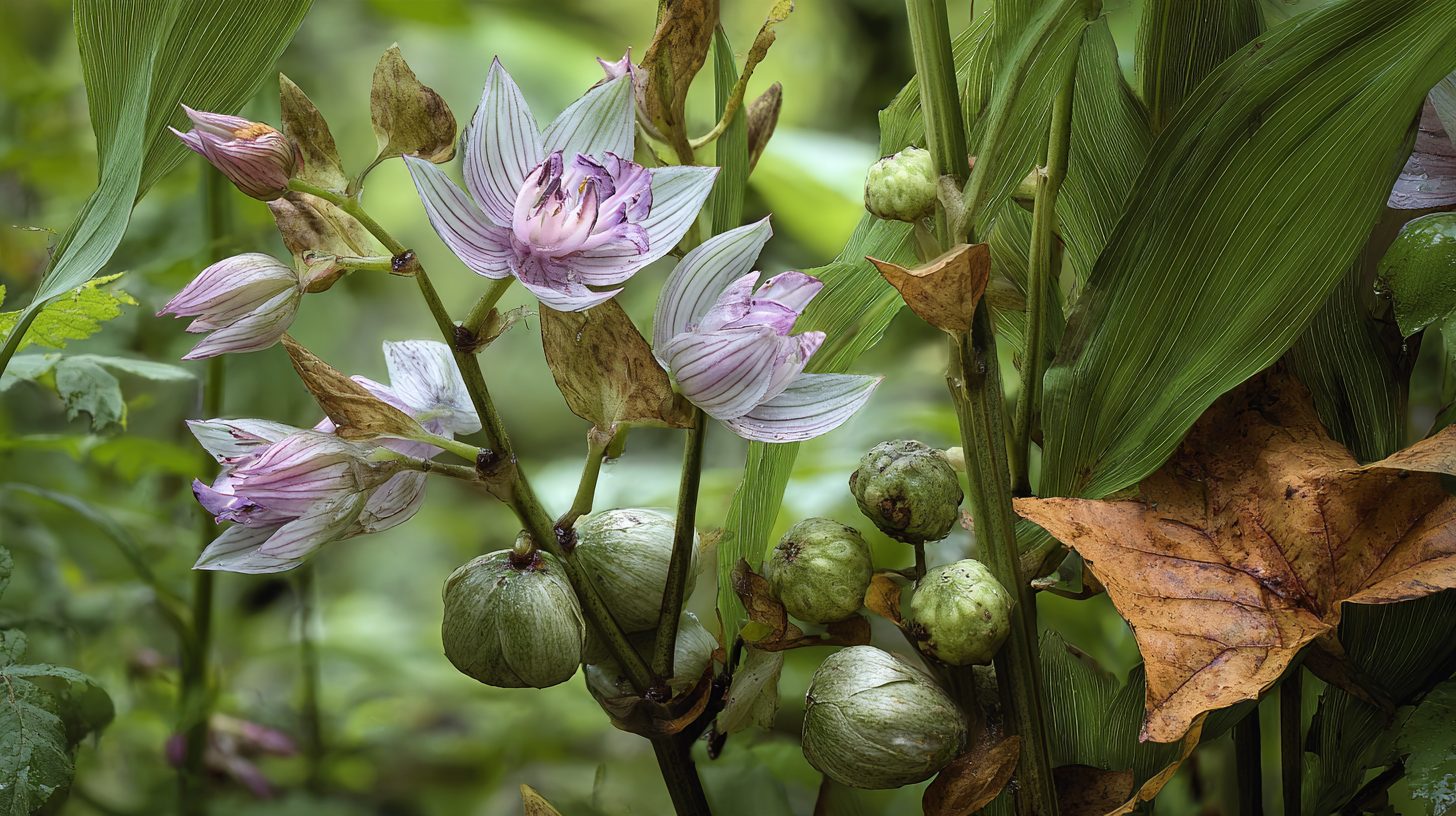
Cardamom (Elettaria cardamomum)
If you have been struggling with digestive discomfort — the kind that lingers after meals, leaving you bloated, heavy, and sluggish — you are not alone. Millions of people deal with this daily, often reaching for over-the-counter products without realizing that one of the most powerful digestive supporters on earth has been sitting on spice racks for over 4,000 years. Cardamom, known as the “Queen of Spices,” has been prized since ancient times for its remarkable ability to support healthy digestion, ease inflammation, and promote overall wellness.
This extraordinary plant is one of the Creator’s most aromatic gifts to humanity. Every compound within it — from the volatile oils that calm your stomach to the antioxidants that protect your cells — reflects intentional, purposeful design. Long before any laboratory could analyze its chemistry, cardamom was already here, provided by a God who knew exactly what our bodies would need.
The Plant
Common Names: Cardamom, Green Cardamom, True Cardamom, Small Cardamom, Elaichi (Hindi), Elakkai (Tamil), Hel (Arabic), Kardemumma (Swedish)
Botanical Name: Elettaria cardamomum (L.) Maton
Family: Zingiberaceae (the Ginger Family) — a family of aromatic tropical plants known for rhizomatous root systems, fragrant volatile oils, and centuries of culinary and therapeutic use.
Description
Cardamom is a large, lush, herbaceous perennial that grows five to ten feet tall in its native tropical habitat. The plant produces long, lance-shaped leaves that can reach two feet in length, arranged in two ranks along erect, reed-like stems that form a graceful, spreading clump. The leaves are dark green on top and paler underneath, with a silky texture and a faint aromatic fragrance when brushed or crushed.
The flowers are small but surprisingly beautiful — white to pale green with a delicate lilac-striped lip — and they emerge on separate flowering stems that creep along the ground near the base of the plant. After pollination, these flowers develop into three-sided seed capsules, roughly the size of a small grape. The pods are harvested while still green, then carefully dried to preserve the fifteen to twenty tiny, dark brown or black aromatic seeds within. It is these seeds that contain the precious volatile oils responsible for cardamom’s unmistakable warm, sweet, slightly camphoraceous fragrance.
Origin
Cardamom is native to the evergreen rainforests of the Western Ghats in southern India, a region so historically abundant in this plant that the mountains themselves became known as the “Cardamom Hills.” The plant thrives in the understory of tropical forests at elevations between 800 and 1,500 meters, where it receives dappled light, consistent moisture, and rich organic soils.
From India, cardamom spread along ancient trade routes to the Middle East, the Mediterranean world, and eventually to Southeast Asia and Central America. Today, Guatemala has become the world’s largest exporter of cardamom, while India remains the largest consumer. The plant is also cultivated commercially in Sri Lanka, Indonesia, Nepal, Tanzania, and Costa Rica.
Brief History
Cardamom is one of the oldest spices known to humanity, with documented use stretching back at least 4,000 years. Ancient Vedic texts from India reference cardamom as a powerful digestive and healing spice. The Babylonian king Merodach-Baladan II (721–702 BC) grew cardamom in his royal garden alongside other valued herbs. Ancient Egyptians chewed cardamom pods to cleanse their teeth and freshen their breath, and they used the spice in medicines and embalming preparations.
Greek and Roman civilizations prized cardamom as a symbol of luxury and royalty. The Greek physician Dioscorides wrote about its therapeutic properties in his legendary Materia Medica, and Roman cookbooks from the first century featured cardamom prominently. Vikings encountered cardamom in Constantinople around the eleventh century and brought it back to Scandinavia, where it remains extraordinarily popular to this day — Swedes consume roughly 60 times more cardamom per capita than Americans.
The Portuguese disrupted Arab control of the spice trade when Vasco da Gama reached India in 1498, opening direct European access to cardamom. By the nineteenth century, the British established formal cardamom plantations in southern India. In the twentieth century, German immigrants brought cardamom cultivation to Guatemala, which now produces more cardamom than any other nation on earth.
Growing & Cultivation
Climate & Zones
Cardamom is a true tropical plant, hardy only in USDA Zones 10–12. It requires warm temperatures between 65–95°F year-round, high humidity of 60–80%, and absolutely no frost exposure. The plant dies back to the ground when temperatures dip below 50°F, and temperatures at or below 32°F will kill it outright if the roots are not protected. In the continental United States, only southern Florida, coastal southern California, and Hawaii offer conditions suitable for year-round outdoor cultivation.
For gardeners outside these zones, cardamom can be grown as an attractive tropical houseplant in containers. It will produce lush, fragrant foliage indoors but is unlikely to flower or set fruit without the specific conditions of a tropical rainforest understory — high humidity, consistent warmth, and natural pollinators. Many growers successfully maintain cardamom as an ornamental foliage plant, enjoying its beauty and aromatic leaves even without a spice harvest.
Soil Requirements
Cardamom thrives in rich, loamy, well-draining soil with high organic content. The ideal pH range is slightly acidic, between 5.5 and 6.8. Incorporate generous amounts of compost, leaf mold, and aged bark into the planting area. For container growing, use a high-quality tropical potting mix with added perlite for drainage. Avoid heavy clay soils, which cause waterlogging and root rot — cardamom’s most common killer in cultivation.
Water & Sunlight
Cardamom requires consistent moisture but never waterlogged conditions. Water deeply and regularly, allowing the top inch of soil to begin drying between waterings. Mulching around the base of the plant helps retain moisture and regulate soil temperature. In its native habitat, cardamom receives 40–100 inches of rainfall annually.
This plant naturally grows in the understory of tropical forests, so it thrives in dappled light, partial shade, or filtered bright indirect light. Direct sun — especially harsh afternoon sun in hot climates — can scorch the leaves. Indoors, provide bright indirect light for six to eight hours daily; a north-facing or east-facing window with supplemental grow lights works well.
Propagation
Division: The most reliable method for home growers. In early spring, carefully separate rhizome sections from an established clump, ensuring each division has at least two healthy stems and a robust root system. Replant immediately in fresh, humus-rich soil and keep consistently moist.
Seed: Extremely difficult. Cardamom seeds lose viability very quickly after harvest and require fresh, unprocessed seeds — the dried spice pods sold commercially are not viable. If fresh seeds are obtained, sow immediately on the surface of warm, moist, humus-rich soil. Germination is slow and erratic, typically taking 30–90 days at temperatures around 77–86°F.
Planting
Plant cardamom in a sheltered location with filtered light and protection from wind. Space plants six to ten feet apart for outdoor plantings — they will spread by rhizomes over time. For containers, use a pot at least twelve to fourteen inches in diameter, with drainage holes. Repot every two years in early spring using fresh soil mix.
Harvesting
Cardamom plants typically take two to three years to begin producing flowers and fruit. Harvest pods when they are still green and plump but before they split open — usually about 90 days after flowering. Pick by hand in the morning after dew has dried. Pods ripen unevenly on the same stem, so harvesting is done in multiple passes over several weeks.
Drying & Storage
Dry freshly harvested pods in a warm, well-ventilated area away from direct sunlight. Traditional sun drying at 95–105°F for two to three days produces excellent results. A dehydrator set to 95–100°F also works well. Properly dried pods will be light green to pale yellow and will feel papery and firm. Store whole pods in an airtight container in a cool, dark place for up to one year. Grind seeds just before use for maximum flavor and potency — ground cardamom loses its volatile oils rapidly.
Pest & Disease Management
In its native range, cardamom is susceptible to cardamom mosaic virus, capsule rot (caused by Phytophthora species), and rhizome rot. Thrips and root grubs are the most common insect pests. For home growers, the primary concerns are root rot from overwatering and spider mites in dry indoor conditions. Maintain proper humidity, ensure good drainage, and inspect plants regularly. Neem oil spray can address most common insect issues organically.
Companion Planting
In tropical settings, cardamom naturally grows beneath the canopy of taller trees. It pairs well with other shade-loving tropical plants including ginger, turmeric, and galangal — all members of the same family. Tall, nitrogen-fixing trees provide both shade and soil enrichment. Avoid planting near plants that prefer dry, full-sun conditions.
The Healing of Growing
Growing cardamom — even as a houseplant — offers benefits beyond any eventual harvest. The act of gardening itself has been shown to reduce cortisol, improve mood, and support immune function. The soil contains beneficial bacteria (Mycobacterium vaccae) with documented antidepressant effects. When you tend to a cardamom plant, touching its fragrant leaves, misting its foliage, and watching its graceful growth, you receive healing before you ever consume a single seed. The simple practice of slowing down, putting your hands in soil, and nurturing a living thing reconnects you with the rhythms of creation.
Nutritional Profile
Macronutrients
Per 100g of ground cardamom (note: typical culinary use is 1–3g per serving):
Calories: 311 kcal. Protein: 10.8g. Carbohydrates: 68.5g. Dietary Fiber: 28g. Sugars: minimal. Total Fat: 6.7g (Saturated: 0.7g, Monounsaturated: 0.9g, Polyunsaturated: 0.4g). Water: 8.3%.
Vitamins
Vitamin C: 21mg (23% DV) — Supports immune function, collagen production, and acts as a powerful antioxidant that protects cells from oxidative damage. Enhances iron absorption from plant sources.
Thiamine (B1): 0.2mg (17% DV) — Essential for energy metabolism, converting carbohydrates into fuel. Supports nervous system function and healthy brain activity.
Riboflavin (B2): 0.18mg (14% DV) — Supports cellular energy production, healthy skin and eyes, and helps the body metabolize fats, proteins, and carbohydrates.
Pyridoxine (B6): 0.23mg (18% DV) — Critical for neurotransmitter synthesis, including serotonin and dopamine production. Supports immune function and red blood cell formation.
Niacin (B3): 1.1mg (7% DV) — Supports digestive health, skin health, and helps convert food into cellular energy.
Minerals
Manganese: 28mg (1,217% DV) — Cardamom is one of the richest natural sources of manganese on earth. This mineral is a cofactor for the enzyme superoxide dismutase (SOD), one of the body’s most potent free-radical scavengers. It also supports bone formation, blood sugar regulation, and wound healing.
Iron: 14mg (78% DV) — Essential for red blood cell formation, oxygen transport throughout the body, and cellular energy metabolism. The iron in cardamom is non-heme; pair with vitamin C sources to enhance absorption.
Potassium: 1,119mg (24% DV) — A critical electrolyte that helps regulate heart rhythm, nerve transmission, muscle contractions, and fluid balance. Supports healthy blood pressure.
Calcium: 383mg (29% DV) — Supports bone and teeth structure, muscle contraction, nerve signaling, and blood clotting.
Magnesium: 229mg (55% DV) — Essential for over 300 enzymatic reactions in the body. Supports muscle and nerve function, blood sugar regulation, bone health, and energy production. May help regulate cortisol levels.
Zinc: 7mg (64% DV) — Supports immune function, wound healing, DNA synthesis, and protein production. Essential for taste and smell perception.
Phosphorus: 178mg (14% DV) — Works with calcium to build and maintain strong bones and teeth. Supports cellular energy (ATP) production.
Phytonutrients & Active Compounds
Cardamom contains a remarkable array of bioactive compounds that contribute to its therapeutic potential:
1,8-Cineole (Eucalyptol): The primary active compound, comprising 15–49% of the essential oil. A potent monoterpene oxide with documented anti-inflammatory, antimicrobial, bronchodilatory, and antioxidant properties. Research suggests it may help modulate inflammatory cytokines including IL-6 and TNF-alpha.
Alpha-Terpinyl Acetate: The most abundant compound in cardamom essential oil (30–61%), responsible for much of its characteristic sweet, floral aroma. Exhibits antioxidant and anti-inflammatory activity.
Flavonoids: Including quercetin and rutin derivatives — potent antioxidants that protect cells from oxidative damage and support cardiovascular health.
Tannins and Phenolic Compounds: Contribute to cardamom’s astringent properties and offer additional antioxidant protection.
Limonene: A monoterpene with documented antioxidant properties and research suggesting possible anti-anxiety effects.
Linalool: A monoterpene alcohol with studied calming and anti-inflammatory properties, commonly found in lavender and other aromatic plants.
Nutrient Notes
While cardamom’s nutrient density per 100g is extraordinary — particularly for manganese, iron, and magnesium — it is important to remember that cardamom is used as a spice, not consumed by the hundred-gram portion. A typical serving of 1–3 grams still contributes meaningful amounts of manganese and trace minerals over time, especially when used consistently as part of a whole-food diet. The phytonutrients and volatile oils, however, are active even in small culinary quantities. The B-vitamins in cardamom support serotonin and dopamine production, while its magnesium content may help regulate cortisol, the body’s primary stress hormone.
Culinary Uses
Edible Parts
The seeds are the primary culinary part, prized for their intense, complex flavor. The whole pods (containing seeds) are used in cooking to infuse dishes with flavor and are typically removed before serving. The pod husks themselves are mildly aromatic and are sometimes used in tea blends. The leaves, while less commonly used, are aromatic and can be used to wrap foods for steaming or added to teas.
Flavor Profile
Cardamom possesses one of the most complex flavor profiles in the spice world — simultaneously warm and cooling, sweet and spicy, floral and resinous. Primary notes include eucalyptus, camphor, and mint. Secondary notes include lemon, ginger, clove, and vanilla. The aroma when fresh is intensely sweet, warm, and balsamic. When cooked, the flavor mellows and integrates, becoming more rounded and subtly sweet. Dried cardamom retains its potency well when stored as whole pods. Intensity is strong — a little goes a long way.
Preparation
For maximum flavor, crack whole pods with the flat side of a knife and extract the seeds, then grind just before use. Toasting whole pods briefly in a dry skillet enhances their aromatic oils. Whole pods can be added directly to simmering liquids (rice, stews, syrups) and removed before serving. For baking, ground cardamom integrates seamlessly into batters and doughs.
Culinary Pairings
Cardamom is remarkably versatile, bridging sweet and savory applications. It pairs beautifully with cinnamon, cloves, ginger, cumin, coriander, black pepper, saffron, and rose water. In proteins, it complements lamb, chicken, and fish. It enhances fruits including oranges, pears, apples, and stone fruits. It marries well with dairy (cream, yogurt, butter), chocolate, coffee, black tea, and honey. Fats such as ghee, coconut oil, and butter carry its flavor superbly.
Storage
Store whole pods in an airtight container in a cool, dark place for up to one year. Pre-ground cardamom loses its volatile oils within weeks — whole pods are always preferred. Seeds removed from pods stay fresh for a few months in an airtight container. Do not refrigerate whole pods, as moisture can degrade quality. Freezing whole pods for up to two years is possible but may slightly diminish aroma intensity.
Ready to cook with cardamom? View Recipes on Chefts →
Wellness & Therapeutic Uses
Traditional Uses
Cardamom has been used medicinally for at least 4,000 years across multiple healing traditions. In Ayurvedic medicine, it is classified as having a sweet, pungent taste with a cooling energy (veerya), and is said to kindle the digestive fire (agni) while pacifying both Vata and Kapha constitutions. Ayurvedic practitioners have used it for digestive complaints, respiratory conditions, oral health, and as a general tonic for centuries.
In Traditional Chinese Medicine (TCM), cardamom (known as Bai Dou Kou) has been used to move stagnant Qi, warm the middle burner, promote digestion, and relieve nausea. It is traditionally prescribed for bloating, loss of appetite, and stomach pain.
In Middle Eastern traditional medicine, cardamom has been used for thousands of years for digestive problems, oral freshening, and general wellness. Arabic coffee (qahwa) is traditionally brewed with cardamom to offset coffee’s acidic effects. In ancient Greek medicine, Hippocrates recommended cardamom for digestive and respiratory health, while Dioscorides documented its therapeutic properties in his Materia Medica.
Modern Research
Blood Pressure Support: A landmark clinical trial by Verma et al. (2009, India) found that administration of 3g of cardamom powder daily to individuals with stage 1 hypertension significantly decreased systolic, diastolic, and mean blood pressure after 12 weeks, while also enhancing fibrinolytic activity and increasing total antioxidant status. All study subjects reported a feeling of well-being without side effects. A 2024 systematic review and meta-analysis of eight randomized clinical trials (595 participants) confirmed that cardamom significantly reduced both systolic and diastolic blood pressure, as well as inflammatory markers including hs-CRP, IL-6, and TNF-alpha.
Anti-Inflammatory Properties: Research published in Plants (2021, Mexico) demonstrated that aqueous cardamom extract significantly reduced gene expression of innate inflammatory cytokines IL-6 and TNF-alpha compared to controls. The primary compounds responsible — alpha-terpinyl acetate (54.46%) and 1,8-cineole — have been individually studied for their anti-inflammatory mechanisms, including regulation of nitric oxide production and inhibition of prostaglandin synthesis.
Digestive Support: Animal studies have demonstrated cardamom’s gastroprotective effects. Jamal et al. (2006, India) showed that cardamom fruit extract exhibited significant gastroprotective activity in rats, reducing gastric acid secretion and protecting the stomach lining. Cardamom has traditionally been used as a carminative (reducing gas and bloating) and to stimulate the secretion of digestive enzymes.
Antimicrobial Activity: Multiple studies have confirmed cardamom’s antimicrobial properties. Research published in the Journal of Ethnopharmacology and other peer-reviewed journals has demonstrated activity against both Gram-positive and Gram-negative bacteria, as well as against Candida albicans. The compound 1,8-cineole is considered responsible for much of this antimicrobial activity.
Neuroprotective Potential: A 2025 study published in Antioxidants demonstrated that cardamom extracts exhibited neuroprotective activity against oxidative stress in SH-SY5Y neuronal cells, with the essential oil inhibiting acetylcholinesterase (AChE) — an enzyme targeted by Alzheimer’s medications. Animal studies suggest cardamom oil may also exert anti-anxiety effects.
Metabolic Support: A 2025 study in rats found that cardamom extract significantly decreased body weight gain compared to controls while improving lipid profiles, suggesting potential benefits for metabolic health. A randomized, double-blind, placebo-controlled clinical trial in patients with type 2 diabetes found that green cardamom supplementation improved SIRT1 levels, glycemic indices, and triglyceride levels.
Body Systems Supported
Digestive System: Carminative, gastroprotective, supports healthy digestive enzyme secretion, may help ease nausea and bloating.
Cardiovascular System: Research suggests support for healthy blood pressure, fibrinolytic activity, and antioxidant protection of cardiac tissue.
Respiratory System: 1,8-cineole has documented bronchodilatory and expectorant properties; traditionally used for colds, coughs, and congestion.
Immune System: Antimicrobial properties, antioxidant support, and anti-inflammatory activity.
Nervous System: Emerging research on neuroprotective, anti-anxiety, and cognitive support properties.
Urinary System: Traditional use as a mild diuretic, supporting kidney and bladder health.
Integumentary System: Antimicrobial and antioxidant properties supporting skin and oral health.
Body Compounds Affected
Research and traditional use suggest cardamom may influence several key body compounds:
Cortisol: The magnesium content and calming aromatic properties may support healthy cortisol regulation. Animal studies show stress-reducing effects.
Inflammatory Cytokines (IL-6, TNF-alpha, hs-CRP): Clinical trials have demonstrated significant reduction in these inflammatory markers with cardamom supplementation.
Nitric Oxide: Research suggests cardamom may promote healthy nitric oxide production, supporting vasodilation and blood pressure regulation.
Serotonin and Dopamine: The B-vitamins (B6 in particular) in cardamom are cofactors in neurotransmitter synthesis; linalool, present in the essential oil, has been studied for effects on mood.
Prostaglandins: 1,8-cineole may modulate prostaglandin synthesis, contributing to anti-inflammatory effects.
SIRT1: A clinical trial demonstrated that green cardamom supplementation improved SIRT1 levels — a protein associated with cellular longevity and metabolic regulation.
Methods of Use
Tea/Infusion
Crush 3–5 whole green cardamom pods and steep in 8 ounces of hot (not boiling) water for 10–15 minutes. Strain and drink. May be combined with black tea, ginger, or cinnamon. Traditionally consumed after meals to support digestion. Can be enjoyed one to three times daily.
Culinary Integration
Add ground or crushed cardamom to foods daily — in coffee, tea, oatmeal, smoothies, curries, rice dishes, and baked goods. Consistent small amounts over time provide cumulative benefits.
Powder
Cardamom powder may be taken in doses of 1–3g daily, mixed into warm water, honey, milk, or food. This was the dosage range used in clinical trials demonstrating cardiovascular benefits.
Tincture
Cardamom tincture is available commercially. Follow manufacturer’s dosage recommendations, typically 1–2ml two to three times daily.
Chewing
Simply chewing on whole cardamom seeds (1–2 pods) after meals is a traditional practice for freshening breath, supporting oral health, and aiding digestion.
Cosmetic & Beauty Uses
Skin Benefits
Cardamom’s antioxidant and antimicrobial properties make it a valuable botanical for skin health. Its compounds help protect skin cells from free radical damage that contributes to premature aging. The antimicrobial activity of 1,8-cineole and other constituents may support clearer skin by addressing bacteria associated with breakouts. Cardamom’s anti-inflammatory properties may help soothe redness and irritation. It is generally suitable for all skin types, with particular benefit for oily, acne-prone, and dull or uneven-toned skin.
Hair Benefits
Cardamom supports scalp health through its antimicrobial and antioxidant activity. When used as a rinse or scalp massage oil, it may help address dandruff, soothe scalp irritation, and promote a healthier environment for hair growth. Its stimulating properties improve circulation to the scalp when massaged in, potentially strengthening hair follicles. A rinse of cardamom-infused water before shampooing can enhance shine and luster.
Application Methods
Infused Oil: Gently warm 1 tablespoon of jojoba or sweet almond oil with 3–5 crushed cardamom pods on low heat for 20 minutes. Strain and cool. Use as a facial oil (1–2 drops) or scalp massage oil.
Face Mask: Mix 1/2 teaspoon cardamom powder with 1 tablespoon raw honey and 1 tablespoon yogurt. Apply to clean skin for 15 minutes, then rinse. Supports brightness and clarity.
Hair Rinse: Steep 1 tablespoon of crushed cardamom pods in 2 cups of boiling water for 20 minutes. Cool, strain, and use as a final rinse after shampooing.
Lip Care: Cardamom essential oil is traditionally added to lip balms for its flavoring and smoothing properties.
DIY Formulation Notes
When incorporating cardamom into homemade products, use cardamom essential oil at 0.5–1% dilution for facial products and up to 2% for body products. Jojoba, argan, and sweet almond oil are excellent carriers. Avoid combining cardamom essential oil with other strongly stimulating oils (like cinnamon or clove) in facial applications. Homemade cardamom-infused oils should be stored in dark glass bottles and used within two to three months.
Cardamom is among the botanicals being explored for holistic cosmetic applications, where the wisdom of traditional beauty practices meets modern understanding of skin science.
Essential Oil Profile
Extraction
Cardamom essential oil is extracted primarily through steam distillation of the dried seeds (or whole fruit pods). CO2 extraction is also available and produces a more complete aromatic profile closer to the fresh spice. The essential oil yield ranges from 4–9% of the seed weight, making cardamom a moderately productive essential oil plant. The relatively good yield, combined with the spice’s high commercial value, keeps cardamom essential oil reasonably accessible compared to oils like rose or neroli.
Chemical Constituents
The major chemical groups and their primary representatives include:
Oxygenated Monoterpenes (40–67%): Alpha-terpinyl acetate (30–61%) — the dominant compound, responsible for cardamom’s characteristic sweet, floral, slightly woody aroma. Alpha-terpineol (1–13%) — antimicrobial and pleasant floral scent. Linalool (0.4–11%) — calming, anti-inflammatory, antimicrobial.
Monoterpene Hydrocarbons (23–59%): 1,8-Cineole/Eucalyptol (15–49%) — the primary therapeutic compound, responsible for respiratory support, antimicrobial activity, and the fresh, camphoraceous top note. Sabinene (2–5%) — contributes to the warm, spicy undertone. Alpha-pinene and beta-pinene — fresh, pine-like, respiratory-supportive.
Sesquiterpenes (0.1–2%): Small amounts of nerolidol and cadinene, contributing to depth and fixative qualities.
Aroma Profile
Cardamom essential oil is classified as a middle note. The scent opens with a fresh, camphoraceous, slightly eucalyptus-like brightness (from 1,8-cineole), transitions into a warm, sweet, floral heart (from alpha-terpinyl acetate), and dries down to a soft, balsamic, slightly woody base. The intensity is moderate to strong, and it blends exceptionally well with citrus oils (bergamot, orange, lemon), florals (ylang ylang, rose, geranium), spice oils (cinnamon, ginger, clove), woodsy oils (cedarwood, sandalwood), and resins (frankincense, myrrh).
Therapeutic Properties
Using compliant language, cardamom essential oil has been associated with the following properties: antimicrobial, anti-inflammatory, antispasmodic, carminative (digestive), expectorant, warming and stimulating in small amounts, calming and centering in moderate amounts, and antioxidant.
How to Use
Diffusion
Add 3–5 drops to a diffuser for respiratory support, mental clarity, or a warm and inviting atmosphere. Limit diffusion sessions to 30–60 minutes. Blends beautifully with 2 drops orange and 1 drop cinnamon for a warming, comforting environment.
Topical Application
Always dilute before applying to skin. Standard adult dilution: 2–3% (approximately 12–18 drops per ounce of carrier oil). Sensitive skin: 1% (6 drops per ounce). Children over 6: 0.5–1% (3–6 drops per ounce). Apply diluted oil to abdomen for digestive support, to chest for respiratory support, or to pulse points for aromatherapeutic benefit.
Quality & Sourcing
Look for essential oil that specifies Elettaria cardamomum on the label — not black cardamom (Amomum subulatum), which is a different species with different chemistry. Request or verify a GC/MS (gas chromatography/mass spectrometry) report showing alpha-terpinyl acetate and 1,8-cineole as the dominant compounds. Purchase from reputable suppliers who source from Guatemala or India and offer third-party testing. Red flags for adulteration include unusually low pricing, synthetic or flat aroma, and absence of testing documentation.
Blending
Cardamom essential oil is extraordinarily versatile in blends. For a calming digestive blend, combine with ginger and peppermint. For respiratory support, blend with eucalyptus and frankincense. For a grounding meditation blend, try cardamom with sandalwood and frankincense. For an uplifting mood blend, combine with orange, bergamot, and ylang ylang. As a middle note, cardamom bridges between bright top notes and deep base notes beautifully.
Aromatherapy & Scent
The Aroma
The living cardamom plant emits a gentle, sweet-green fragrance from its leaves — particularly noticeable when the leaves are brushed or crushed. It is subtle and pleasant, like a whisper of the intense aroma contained within its seed pods. The seeds themselves, when freshly cracked open, release one of the most complex and captivating scents in the botanical world — simultaneously warm and cool, sweet and spicy, with camphorous, eucalyptus, citrus, and floral notes interweaving in layers.
When dried, cardamom pods retain their scent remarkably well — whole pods stored properly can remain aromatic for a year or more. The dried aroma is more concentrated and less green than fresh, with the warm, sweet, balsamic notes becoming dominant. Ground cardamom releases its scent immediately and intensely but fades more rapidly than whole pods.
How Scent Affects Your Body
When you inhale cardamom’s aroma, volatile aromatic molecules enter your nasal passages and reach the olfactory receptors high in the nasal cavity. These receptors send signals directly to the limbic system — the brain’s emotional processing center — and the hypothalamus, which controls hormone production. This pathway bypasses conscious thought entirely, which is why a single breath of a familiar scent can instantly shift your mood, trigger memories, or calm your nervous system before you even register what you are smelling. This occurs within seconds of inhalation.
Emotional & Mood Effects
Cardamom’s aroma is generally experienced as warming, comforting, clarifying, and gently uplifting. It tends to produce a grounded sense of calm alertness — not sedating, but not stimulating in an agitating way. In Ayurvedic aromatic tradition, cardamom is considered to clear mental fog and stagnation, particularly the kind caused by overthinking or prolonged stress. Many people report that it rekindles motivation and appetite for engagement with life, easing feelings of fatigue and heaviness. Its warm sweetness provides comfort without drowsiness.
Body Compounds Affected
Linalool, present in cardamom’s essential oil, has been studied for its effects on the nervous system and has been associated with reduced anxiety-like behaviors in animal studies. 1,8-cineole has been shown to improve cognitive performance and alertness when inhaled. The overall aromatic profile may support healthy cortisol regulation through its calming effects on the limbic system. The B-vitamins released through aromatic exposure are negligible, but the neurological effects of the volatile compounds themselves — affecting serotonin, GABA, and dopamine pathways — are active areas of research.
Ways to Experience the Scent
Beyond essential oil diffusion, there are many ways to enjoy cardamom’s aroma. Grow the plant indoors and brush its leaves as you walk by. Keep a small dish of whole pods on your desk and crack one open when you need a moment of clarity. Crush a few pods into simmering water on the stove for a natural room fragrance. Add crushed pods to your morning coffee or tea and inhale the steam before drinking. Tuck a small sachet of dried pods in a pillowcase or dresser drawer. Add crushed pods to a warm bath for an aromatherapeutic soak. Simmer pods with orange peel, cinnamon sticks, and cloves for a beautiful natural potpourri.
Color Therapy
The Colors of Cardamom
Cardamom presents several colors across its life cycle. The plant’s leaves are a rich, deep green. The flowers are delicate white to pale green with lilac or violet striping on the lip. The seed pods are harvested green and may be sold as vivid green pods or dried to a pale yellowish-green or straw color. The seeds inside are dark brown to black. The overall visual impression of a cardamom plant in its environment is lush, verdant green, punctuated by the subtle beauty of its ground-level blossoms.
Color Wavelengths
The dominant color of the cardamom plant — green — falls in the 495–570nm wavelength range of the visible spectrum. The violet-lilac striping on the flowers falls in the 380–450nm range. Green is the color at the center of the visible spectrum, the color most prevalent in the natural world, and the color the human eye is most sensitive to.
How Green Affects the Body
Green wavelengths are associated with balance, calm, restoration, and heart-centered energy. Exposure to green environments has been extensively documented to reduce stress, lower heart rate and blood pressure, improve mood, and support faster recovery from illness. This is not abstract theory — a landmark study by Roger Ulrich demonstrated that hospital patients with views of greenery recovered faster than those viewing walls. The green of a cardamom plant in your home contributes to this restorative effect. The small violet accents in the flowers add a complementary calming effect, as violet wavelengths are associated with meditative calm and nervous system soothing.
Body Compounds Affected
Exposure to green environments and green wavelengths has been associated with reduced cortisol levels and increased parasympathetic nervous system activity. The calming visual effect may support healthy serotonin and melatonin rhythms through its influence on overall stress reduction.
Using Cardamom for Color Therapy
Place a potted cardamom plant in spaces where you spend significant time — a home office, living room, or bedroom — to benefit from its green foliage. The lush, tropical appearance adds a sense of vitality and connection to the natural world. When eating cardamom in colorful dishes (golden curries, vibrant chai), you engage the principle of “eating the rainbow” — consuming the full spectrum of plant pigments and their associated phytonutrients.
Frequency & Vibration
The Frequency of Cardamom
According to bio-frequency research pioneered by Bruce Tainio, essential oils vibrate at measurable frequencies, and higher-frequency substances may support the body’s own electrical vitality. While specific frequency measurements for cardamom essential oil are not as widely published as those for oils like rose (320 MHz) or frankincense (147 MHz), cardamom is generally considered a moderate-to-high frequency oil based on its chemical composition. Oils rich in oxygenated monoterpenes — which dominate cardamom — tend to fall in the higher frequency ranges.
For reference, proponents of vibrational medicine note that the healthy human body vibrates at approximately 62–78 MHz, with illness onset associated with lower frequencies. Fresh herbs are reported to vibrate at 20–27 MHz, while essential oils range considerably higher.
Human Frequency Interaction
The entrainment principle suggests that when a lower-frequency system (a stressed or depleted body) is exposed to a higher-frequency influence (an essential oil or living plant), the lower frequency may be drawn upward. Being around cardamom plants, inhaling the essential oil, and consuming the spice may all contribute to supporting the body’s natural vibrational state. This area of research is still emerging, and claims should be understood within that context.
Essential Oil Frequency
Cardamom essential oil, with its high proportion of oxygenated monoterpenes, is classified among the moderately high-frequency essential oils. Frequency measurements suggest it falls in a range supportive of digestive, respiratory, and emotional balance.
Vibrational Applications
To use cardamom for frequency support, consider diffusing the essential oil during meditation or prayer, growing the plant in your living space, incorporating the spice into daily meals, or combining cardamom aromatherapy with other high-frequency practices such as spending time in nature, prayer, and intentional rest.
The Living Plant
Benefits of Presence
Simply having a cardamom plant in your home offers benefits that go beyond any eventual harvest. Research on biophilic design — the human need for connection with nature — demonstrates that the presence of living plants in indoor environments reduces stress, improves concentration, and creates a sense of wellbeing. Cardamom, with its tall, graceful, lance-shaped leaves and lush tropical appearance, is particularly effective as a visual presence. Its gently aromatic foliage releases subtle scent when disturbed, adding an olfactory dimension to its calming visual presence.
Air Purification
While cardamom has not been specifically included in the NASA Clean Air Study, plants in the Zingiberaceae family are known to contribute to indoor air quality through standard photosynthetic processes — absorbing carbon dioxide and releasing oxygen. Any broad-leaved tropical plant with substantial foliage contributes to humidity regulation in dry indoor environments, which supports respiratory health and skin hydration. Cardamom’s aromatic volatile compounds may also contribute trace antimicrobial effects to the surrounding air.
Phytoncides
Aromatic plants, including members of the ginger family, release volatile organic compounds — sometimes called phytoncides — that have documented antimicrobial effects. Forest bathing (shinrin-yoku) research from Japan has demonstrated that exposure to phytoncides from trees and aromatic plants increases Natural Killer (NK) cell activity, which supports immune surveillance. While the effect from a single houseplant is more subtle than a forest, the principle holds: living aromatic plants contribute beneficial volatile compounds to their immediate environment.
Visual & Psychological Benefits
Research consistently shows that the presence of indoor plants reduces perceived stress, lowers blood pressure, improves attention and productivity, and accelerates healing in healthcare settings. Attention Restoration Theory (Kaplan, 1995) explains that natural elements — including plants — allow the mind to rest from directed attention, reducing mental fatigue. Cardamom’s exotic, tropical appearance also adds a dimension of beauty and novelty that can lift the spirit and spark curiosity.
Growing Indoors vs Outdoors
Cardamom can be grown as a beautiful houseplant throughout the United States. Indoors, it needs bright indirect light, consistently moist soil, and high humidity (a pebble tray, grouping with other plants, or a room humidifier helps). While pod production indoors is rare without tropical conditions and manual pollination, the plant itself is long-lived, ornamental, and aromatic. Outdoors in Zones 10–12, cardamom can form large, dramatic clumps and will flower and fruit given sufficient warmth, humidity, and partial shade.
Touch & Physical Interaction
Gardening Therapy
Horticultural therapy — the use of plant-based activities for therapeutic benefit — is an established practice supported by decades of research. Tending a cardamom plant, whether watering, misting, repotting, or simply running your fingers along its long, smooth leaves, engages the senses and promotes mindful presence. The repetitive, gentle nature of plant care provides a rhythm that calms the nervous system and anchors attention in the present moment.
Soil Contact Benefits
When repotting or propagating cardamom, direct contact with soil provides grounding benefits. The bacterium Mycobacterium vaccae, found naturally in soil, has been shown in research to stimulate serotonin production and reduce anxiety when absorbed through the skin. Gardening barefoot adds the benefit of grounding or earthing — direct electron transfer from the earth through the skin — which research suggests may reduce inflammation and improve sleep quality.
The Tactile Experience
Cardamom’s leaves are long, smooth, and slightly waxy, with a satisfying firmness. Running a hand along the leaf releases a gentle green fragrance. The stems are stiff, erect, and reed-like. The seed pods are small, slightly ridged, and feel papery yet resilient between the fingers. Cracking open a pod — feeling the thin shell give way to reveal the sticky, intensely aromatic seeds within — is a deeply sensory experience that engages touch, smell, and even hearing in a single moment.
Harvesting & Processing
For those fortunate enough to harvest cardamom, the process is inherently meditative. Pods must be picked individually from the ground-level flowering stems, requiring bending close to the earth and working slowly with gentle hands. Sorting, drying, and storing the pods are repetitive, rhythmic tasks that allow the mind to settle. Crushing pods for cooking — using a mortar and pestle or the flat of a knife — connects you physically to the preparation of your own food in a way that opening a jar cannot.
Water-Based Applications
Teas & Infusions
Cardamom tea is one of the most accessible and enjoyable ways to experience this plant’s benefits. Simple Cardamom Tea: Lightly crush 4–5 whole green cardamom pods and place in a cup. Pour 8 ounces of hot water (just below boiling, around 200°F) over the pods. Cover and steep 10–15 minutes. Strain and enjoy plain or with a touch of honey. For a stronger infusion, gently simmer the crushed pods in water for 5 minutes before steeping. Cardamom tea may be consumed one to three times daily.
Masala Chai: Cardamom is a foundational ingredient in traditional chai, combined with black tea, ginger, cinnamon, cloves, and black pepper, simmered in a mixture of water and milk. This is perhaps the world’s most beloved preparation of cardamom.
Cardamom Coffee (Qahwa): In the Middle Eastern tradition, add 2–3 crushed cardamom pods (or a generous pinch of ground cardamom) directly to coffee grounds before brewing. The cardamom is traditionally believed to offset some of coffee’s harsher effects on the stomach.
Herbal Baths
Add a strong infusion of crushed cardamom pods (steep 2 tablespoons of crushed pods in 4 cups of boiling water for 20 minutes, strain) to a warm bath. The aromatic compounds will be released by the warm water, providing both topical and aromatherapeutic benefits. A cardamom bath may help ease muscle tension, calm the mind, and leave the skin lightly scented and refreshed. Soak for 15–20 minutes. For a foot bath, use half the amount of plant material in a basin of warm water.
Compresses
A warm compress made with strong cardamom infusion may be applied to the abdomen for digestive discomfort. Prepare a strong tea, soak a clean cloth, wring lightly, and apply warm to the affected area. Repeat as the cloth cools. This combines the topical absorption of aromatic compounds with the therapeutic warmth of the compress.
Steam Inhalation
Add 5–6 crushed cardamom pods (or 2–3 drops of cardamom essential oil) to a bowl of steaming hot water. Drape a towel over your head and the bowl, and breathe deeply for 5–10 minutes. This is particularly beneficial for congestion, sinus pressure, and respiratory discomfort. The 1,8-cineole in cardamom has documented expectorant and bronchodilatory properties. Use caution with water temperature to avoid burns.
Hair Rinses
Prepare a strong infusion of cardamom (2 tablespoons crushed pods in 2 cups boiling water, steeped 20 minutes, strained and cooled). Use as a final rinse after shampooing, pouring slowly over the scalp and hair. Do not rinse out. The antimicrobial properties may support scalp health, while the essential oils add shine and a delicate fragrance to hair.
Historical, Cultural & Biblical Significance
Biblical References
Cardamom is not directly mentioned by name in Scripture. However, the spice trade between India and the ancient Near East was well established during biblical times, and aromatic spices of the ginger family were known in the region. The Song of Solomon references aromatic plants and spices extensively — “spikenard and saffron; calamus and cinnamon, with all trees of frankincense; myrrh and aloes, with all the chief spices” (Song of Solomon 4:14, KJV) — reflecting a world where fragrant botanicals were deeply valued for their beauty, healing properties, and connection to worship. Cardamom, as one of the most prized spices of the ancient world, was part of this broader aromatic tradition even if not named specifically.
Ancient Civilizations
The Babylonian king Merodach-Baladan II (721–702 BC) cultivated cardamom among other medicinal herbs in his royal gardens, demonstrating that this plant had already traveled from its native India to Mesopotamia more than 2,700 years ago. Ancient Egyptians used cardamom in medicines, for embalming, and chewed the pods for oral health — the Ebers Papyrus (circa 1500 BC), one of the oldest known medical texts, documents the Egyptian use of aromatic spices including cardamom for healing purposes.
In ancient Greece, Hippocrates recommended cardamom for digestive and respiratory complaints. Dioscorides documented the spice in his Materia Medica (circa 40–90 AD), and Galen wrote about its warming, slightly bitter, and pleasantly aromatic qualities. The Romans used cardamom in perfumes, aromatic oils, and elaborate feasts, and it was listed among Indian spices subject to import duty in Alexandria by 176 AD. These cultures observed that cardamom provided genuine benefit — they were seeing the design, documented what worked, and their observations align with what modern research now confirms.
Eastern Traditions
In Ayurvedic medicine, cardamom has been documented for over 3,000 years in ancient Vedic texts as a powerful digestive aid, respiratory support, and general health tonic. It is classified as having a sweet and pungent taste with a cooling energy, and is considered one of the most sattvic (pure, harmonizing) spices in the Ayurvedic tradition. In Traditional Chinese Medicine, cardamom (Bai Dou Kou) has been used for centuries to warm the middle burner, resolve dampness, move stagnant Qi, and support digestive function. It appears in classical TCM formulas for nausea, bloating, and loss of appetite.
Indigenous Knowledge
In its native southern India, indigenous communities have wildcrafted cardamom from the rainforests of the Western Ghats for millennia, using it medicinally for stomach complaints, respiratory issues, and as a general wellness tonic. In the Middle East, cardamom has been central to hospitality traditions for centuries — the preparation of Arabic coffee with cardamom (qahwa bil hal) is a profound cultural ritual symbolizing welcome, generosity, and care. The practice of chewing cardamom after meals for digestive health and breath freshening is common across South Asia, the Middle East, and parts of Africa.
European Heritage
Vikings encountered cardamom in Constantinople during the eleventh century and introduced it to Scandinavia, where it became — and remains — one of the most beloved spices. Swedish baking traditions feature cardamom prominently in breads, pastries (particularly the iconic kardemummabullar, or cardamom bun), and the traditional Christmas glögg (mulled wine). In medieval European monastery gardens and herbals, cardamom was valued as a warming digestive remedy. Nicholas Culpeper and other Renaissance herbalists documented its uses for stomach complaints and melancholy.
Cultural Symbolism
Cardamom symbolizes hospitality across the Middle East and South Asia — offering cardamom-scented coffee or tea is an act of welcome and respect. In Indian wedding traditions, cardamom is included among auspicious spices and is associated with warmth, sweetness, and abundance. In Scandinavian culture, the scent of cardamom in baking evokes home, comfort, and family gathering. Across cultures, cardamom represents the intersection of pleasure and health — a spice so delicious that consuming it feels like indulgence, while its effects on the body are genuinely supportive.
Safety & Precautions
Contraindications
Cardamom is generally recognized as safe (GRAS) when consumed in normal culinary amounts. In supplemental doses (3g or more daily), individuals with gallstones should exercise caution, as cardamom may stimulate bile flow. Individuals scheduled for surgery should discontinue supplemental cardamom use at least two weeks before the procedure, as it may have mild blood-thinning effects.
Drug Interactions
Cardamom may interact with the following medication categories: blood-thinning medications (cardamom may have mild anticoagulant effects — consult your healthcare provider); blood pressure medications (cardamom may lower blood pressure, potentially enhancing the effect of antihypertensive drugs); diabetes medications (cardamom may lower blood sugar, potentially enhancing hypoglycemic effects); antibiotics (some sources suggest cardamom may interfere with antibiotic effectiveness — consult your healthcare provider). If you are taking any prescription medications, consult a qualified healthcare provider before using cardamom in supplemental quantities.
Pregnancy & Nursing
In normal culinary amounts (as a spice in cooking), cardamom is generally considered safe during pregnancy and breastfeeding. However, in large medicinal or supplemental doses, cardamom is traditionally cautioned against during pregnancy due to its potential emmenagogue properties — it may stimulate uterine contractions. Not recommended in supplemental doses during pregnancy or breastfeeding without guidance from a qualified healthcare provider.
Children
Cardamom in culinary amounts is generally safe for children over age 2. It has a long history of use in family cooking traditions worldwide. For therapeutic use, reduce doses proportionally for children and consult a pediatrician before supplemental use. Cardamom essential oil should be used at 0.5% dilution or less for children ages 6–12, and avoided topically for children under 6 without professional guidance.
Elderly
Cardamom is generally well-tolerated by older adults. Those taking blood pressure medications, blood thinners, or diabetes medications should use supplemental cardamom with caution due to potential additive effects. Start with lower doses and monitor for any adverse effects. Culinary use is not a concern.
Pets
Dogs: Non-toxic in small amounts. Cardamom is generally considered safe for healthy, non-pregnant dogs when given as an occasional small addition to food. However, pregnant dogs should avoid cardamom entirely due to possible uterine-stimulant properties. Dogs on medication should also avoid it, as it may interact with certain drugs. Large amounts may cause digestive upset.
Cats: Non-toxic in small amounts, but cats are generally more sensitive to spices than dogs. Very small amounts are unlikely to cause harm, but cardamom is not a recommended dietary addition for cats. Avoid cardamom essential oil around cats entirely — cats lack the liver enzymes to properly metabolize many essential oil compounds.
If a pet ingests a significant amount of cardamom or shows any signs of distress, contact your veterinarian or the ASPCA Animal Poison Control Center at (888) 426-4435 immediately.
Allergies & Sensitivities
Cardamom allergy is rare but possible, particularly in individuals with allergies to other members of the Zingiberaceae (ginger) family. Cross-reactivity may occur. For topical applications, always perform a patch test first — apply a small amount of diluted preparation to the inner wrist and wait 24 hours before broader application. Cardamom essential oil can cause skin sensitization if used undiluted; always dilute properly in a carrier oil.
Dosing Guidelines
Culinary use: no limit beyond normal cooking quantities. Therapeutic/supplemental use: 1–3 grams of ground cardamom powder daily (the range used in clinical trials). Tea: 3–5 crushed pods per cup, one to three times daily. Tincture: follow manufacturer’s recommendations. Duration: most clinical trials ran for 8–12 weeks. Prolonged supplemental use beyond this should be discussed with a healthcare provider. Signs of excessive intake may include gastrointestinal discomfort, nausea, or allergic reaction.
Quality & Sourcing
Purchase whole green pods rather than pre-ground powder for maximum potency and reduced adulteration risk. Look for vibrant green color, intact pods, and strong fragrance. Bleached white pods (common in some markets) have reduced potency. Source from reputable spice companies that can provide country of origin and, ideally, testing information. For essential oil, ensure the label specifies Elettaria cardamomum and request GC/MS testing documentation.
Signs of Adverse Reaction
Mild reactions may include gastrointestinal discomfort, nausea, or skin irritation (from topical use). Serious reactions requiring immediate medical attention include difficulty breathing, swelling of the face or throat, rapid heartbeat, or severe skin reaction. Discontinue use immediately if any adverse reaction occurs.
Disclaimer
This information is for educational purposes only. It is not intended to diagnose, treat, cure, or prevent any disease. Always consult with a qualified healthcare provider before using any herbal product, especially if you are pregnant, nursing, taking medications, or have a medical condition. If you experience any adverse reaction, discontinue use immediately and seek medical attention.
Want Personalized Guidance?
Every body is unique. What works for one person may not be right for another. If you’d like personalized support in incorporating cardamom into your wellness journey, consider working with a qualified practitioner who can assess your individual needs.
Sources & References
Peer-Reviewed Studies
- Blood pressure lowering, fibrinolysis enhancing and antioxidant activities of cardamom (Elettaria cardamomum) – Indian Journal of Biochemistry & Biophysics, 2009, India
- The effect of green cardamom on blood pressure and inflammatory markers among patients with metabolic syndrome: A systematic review and meta-analysis of randomized clinical trials – Phytotherapy Research, 2023, Iran
- Effect of cardamom consumption on inflammation and blood pressure in adults: A systematic review and meta-analysis of randomized clinical trials – Food Science & Nutrition, 2024, Iran
- Benefits of Cardamom (Elettaria cardamomum) and Turmeric (Curcuma longa) Extracts for Their Applications as Natural Anti-Inflammatory Adjuvants – Plants, 2021, Mexico
- Multivalent Neuroprotective Activity of Elettaria cardamomum (Cardamom) and Foeniculum vulgare (Fennel) in H2O2-Induced Oxidative Stress – Antioxidants, 2025, UK
- Comparative Effect of Cardamom and Clove on Body Weight and Nutritional Status in Obese Experimental Animals – Journal of Nutrition and Metabolism, 2025, Saudi Arabia
- Essential Oil Profile Diversity in Cardamom Accessions From Southern India – Frontiers in Sustainable Food Systems, 2021, India
- The effect of Elettaria cardamomum (cardamom) on the metabolic syndrome: Narrative review – Journal of Ethnopharmacology, 2022, Iran
- Protective Role of Phenolic Compounds from Whole Cardamom Against LPS-Induced Inflammation in Colon and Macrophage Cells – Nutrients, 2023, USA
- Recent advances in the extraction, chemical composition, therapeutic potential, and delivery of cardamom phytochemicals – Frontiers in Nutrition, 2022, Pakistan/USA
- Anti-biofilm Potential of Elletaria cardamomum Essential Oil Against Escherichia coli O157:H7 and Salmonella Typhimurium – Frontiers in Microbiology, 2021, Saudi Arabia
- Antiparasitic effects of Elettaria cardamomum Essential Oil and its main compounds, 1,8-Cineole – Experimental Parasitology, 2022, Iran
Traditional Medicine Sources
- The Agronomy and Economy of Cardamom (Elettaria cardamomum M.): The “Queen of Spices” – Advances in Agronomy, Elsevier, 2006
- Cardamom: Potential Health Benefits – Nutrition Today, 2022, USA
- History of Spices – McCormick Science Institute
Institutional Sources
- Spices, cardamom — Nutritional Data – USDA FoodData Central
- Cardamom and Topical Roseomonas in Atopic Dermatitis (Clinical Trial) – ClinicalTrials.gov, NIH