Raspberry (Rubus idaeus)
If you have been searching for a way to support your body’s natural defenses against inflammation, protect your skin from the inside out, or simply nourish yourself with something that tastes extraordinary — the raspberry may be one of the most powerful small fruits you will ever encounter. Packed with compounds that modern science is only beginning to fully understand, this humble berry has been supporting human health since before recorded history.
This remarkable fruit is one of many gifts the Creator embedded into nature for our benefit. Long before laboratories existed, the raspberry was already here — growing wild on mountainsides and forest edges, provided by a Designer who knew we would need it.
The Plant
Common Names: Raspberry, Red Raspberry, European Red Raspberry, American Red Raspberry, Hindberry, Framboise (French), Himbeere (German)
Botanical Name: Rubus idaeus L.
Family: Rosaceae (Rose family) — a large family that also includes strawberries, blackberries, apples, cherries, and roses, known for producing many of the world’s most important edible fruits.
Description
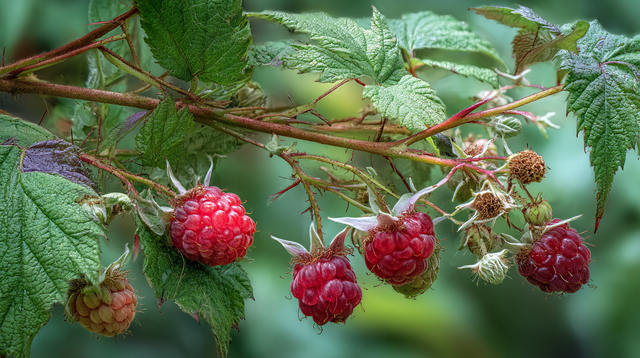
The raspberry is a perennial shrub with biennial canes, meaning the root system lives for many years while individual canes complete their life cycle in two seasons. First-year canes, called primocanes, are green and produce only leaves. Second-year canes, called floricanes, turn brown, produce flowers and fruit, and then die after harvest. Everbearing varieties break this pattern by fruiting on the tips of first-year canes in autumn.
Canes grow upright to about 4 to 6 feet tall and may be thorny or thornless depending on the cultivar. Leaves are compound, typically with three to five leaflets, dark green above and silvery-white beneath. Small, white five-petaled flowers bloom in late spring to early summer and are self-fertile, though bees greatly improve pollination and fruit set.
The fruit itself is not technically a berry — it is an aggregate of tiny drupelets, each containing a single seed, clustered around a central core called the receptacle. When you pick a ripe raspberry, the fruit slides off the receptacle, leaving a hollow center. This distinguishes it from the blackberry, which comes away with its receptacle still inside. Fruit color ranges from the classic deep red to golden yellow, purple, and black, depending on the species and cultivar.
Origin
Red raspberry is native to the temperate regions of Europe and northern Asia, with its wild ancestor found growing from the British Isles eastward to Siberia. The botanical name Rubus idaeus translates roughly to “bramble bush of Mount Ida,” referencing Mount Ida in present-day Turkey, where ancient Greek mythology placed the discovery of the fruit by the Olympian gods. A closely related variety, Rubus idaeus var. strigosus, is the American red raspberry, native to much of North America.
Today, raspberries are cultivated commercially across North America, Europe, Chile, and parts of Asia and Australia. Major producing countries include Russia, Poland, the United States (particularly the Pacific Northwest), Serbia, and Mexico.
Brief History
Archaeological evidence confirms that humans have consumed wild raspberries since prehistoric times — seeds have been found at Paleolithic dwelling sites across Europe. The earliest documented cultivation appears in the writings of Palladius, a Roman agricultural writer of the 4th century CE. Roman soldiers are believed to have spread raspberry cultivation throughout Europe, as seeds have been found at Roman fort sites in Britain.
During the medieval period, raspberry cultivation expanded through European monastery gardens, where monks preserved and cultivated medicinal plants. By the 16th and 17th centuries, raspberries were a well-established garden crop across England and continental Europe. European colonists brought cultivated varieties to North America in the 17th century, where they interbred with native American raspberry species to produce many of the modern cultivars we grow today.
Growing & Cultivation
Climate & Zones
Raspberries thrive in USDA Hardiness Zones 4 through 8, with some cultivars extending into Zone 3 for cold tolerance and Zone 9 for heat tolerance. They prefer temperate climates with cool summers and cold winters, requiring 800 to 1,600 chill hours (below 45°F) depending on the cultivar. In warmer zones (9 and above), select low-chill varieties like ‘Bababerry’ or ‘Oregon 1030,’ and plant on the east side of structures to provide afternoon shade.
Soil Requirements
Raspberries perform best in well-draining, loamy soil with a slightly acidic pH of 5.5 to 6.5. They will tolerate sandy and clay soils if amended with generous organic matter. Good drainage is critical — raspberries are highly susceptible to root rot (Phytophthora) in waterlogged conditions. Raised beds are an excellent option in areas with heavy clay. Amend soil with compost, aged manure, and peat moss before planting. For containers, use a high-quality potting mix with perlite for drainage.
Water & Sunlight
Raspberries need consistent moisture — about 1 to 1.5 inches of water per week, increasing during fruit development. Drip irrigation is ideal because it keeps foliage dry and reduces disease risk. Mulch heavily (3 to 4 inches of straw, wood chips, or pine needles) to conserve moisture and suppress weeds. Overwatering signs include yellowing leaves and soft, mushy canes at the base.
Full sun — at least 6 to 8 hours of direct sunlight daily — produces the best fruit set and flavor. In hot climates (Zone 8b and above), afternoon shade or 30% shade cloth can prevent sunscald on fruit and foliage.
Propagation
Suckers/Division: The easiest and most common method. Raspberries spread through underground runners (rhizomes), sending up new canes called suckers. In early spring or late fall, dig up healthy suckers with attached roots and transplant them. Space transplants 2 to 3 feet apart in rows 6 to 8 feet apart.
Tip Layering: In late summer, bend a flexible primocane to the ground and bury the tip 3 to 4 inches deep. By fall, roots will develop. Sever the new plant from the parent in early spring and transplant.
Root Cuttings: In late fall, dig up sections of root about 6 inches long and 1/4 inch in diameter. Plant horizontally 2 inches deep in moist soil. New shoots emerge in spring.
Seed: Possible but slow and unpredictable. Seeds require cold stratification (60 to 90 days at 33 to 41°F) before sowing. Seedlings will not be true to the parent cultivar.
Planting
Plant bare-root canes in early spring as soon as soil can be worked. Dig holes wide and deep enough to spread roots without crowding. Set the crown at the same depth it grew previously. Water deeply after planting and mulch immediately. Avoid planting where nightshades (tomatoes, peppers, eggplant, potatoes) or strawberries have grown recently, as these crops share soil-borne diseases with raspberries.
Harvesting
Harvest when berries are fully colored and slip easily from the receptacle with a gentle tug. The best time to pick is early morning when temperatures are cool and fruit is firm. Raspberries are extremely perishable — refrigerate immediately and use within 2 to 3 days. Do not wash until ready to use, as moisture accelerates mold. Summer-bearing types produce a concentrated crop in June or July. Everbearing types produce a lighter crop in summer and a heavier crop in early fall.
Drying & Storage
To dry raspberries, spread them in a single layer on dehydrator trays at 135°F for 12 to 24 hours until leathery. Alternatively, freeze on a baking sheet in a single layer, then transfer to airtight bags — frozen raspberries retain their nutritional value exceptionally well. Raspberry leaves should be harvested before flowering, dried at room temperature away from direct sunlight, and stored in airtight containers in a cool, dark place for up to one year.
Pest & Disease Management
Common pests include Japanese beetles, raspberry cane borers, spotted wing drosophila, and aphids. Organic approaches include neem oil, diatomaceous earth, hand-picking, and encouraging beneficial insects like ladybugs and parasitic wasps. Common diseases include powdery mildew, gray mold (Botrytis), cane blight, and root rot. Prevent disease with good air circulation (proper spacing and pruning), drip irrigation, and removal of spent canes immediately after fruiting.
Companion Planting
Raspberries grow well with garlic (deters Japanese beetles), tansy, rue, marigolds, and chives. Avoid planting near nightshades, other brambles that may carry disease, and potatoes. Clover or other nitrogen-fixing cover crops planted between rows benefit raspberry health.
The Healing of Growing
Growing raspberries offers benefits beyond the harvest itself. The act of gardening — hands in soil, bare feet on earth, time spent outdoors — has been shown to reduce cortisol, improve mood, and support immune function. The soil contains beneficial bacteria (Mycobacterium vaccae) with documented antidepressant effects. When you grow your own raspberries, you receive healing before you ever taste the first berry.
Nutritional Profile
Macronutrients
Per 100 grams (approximately 3/4 cup) of fresh red raspberries: Calories: 53 kcal. Protein: 1.2 g. Carbohydrates: 11.9 g. Dietary Fiber: 6.5 g. Sugars: 4.4 g. Fat: 0.65 g (predominantly heart-healthy polyunsaturated fatty acids, including alpha-linolenic acid, an omega-3). Water: 85.8 g.
Raspberries are among the highest-fiber fruits available — their 6.5 grams per 100-gram serving outpaces most other berries. Much of this fiber is insoluble, supporting digestive regularity, while a portion is soluble pectin, which may support healthy cholesterol levels.
Vitamins
Vitamin C: 26.2 mg (29% DV) — Supports immune function, collagen production, and acts as a powerful antioxidant that protects cells from oxidative damage. Also enhances iron absorption from plant-based foods.
Vitamin K: 7.8 mcg (7% DV) — Essential for blood clotting and bone metabolism. Works synergistically with calcium to support bone density.
Vitamin E: 0.87 mg (6% DV) — A fat-soluble antioxidant that protects cell membranes from oxidative damage, supports skin health, and works alongside vitamin C for enhanced antioxidant defense.
Folate (B9): 21 mcg (5% DV) — Critical for DNA synthesis and cell division, particularly important during pregnancy for neural tube development.
Pantothenic Acid (B5): 0.329 mg (7% DV) — Supports energy metabolism and the synthesis of coenzyme A, which is involved in fatty acid metabolism.
Raspberries also contain smaller amounts of thiamine (B1), riboflavin (B2), niacin (B3), vitamin B6, and choline.
Minerals
Manganese: 0.67 mg (29% DV) — A cofactor for superoxide dismutase (SOD), one of the body’s most important antioxidant enzymes. Also supports bone health, blood sugar regulation, and wound healing.
Potassium: 151 mg (5% DV) — Helps regulate fluid balance, supports muscle contractions and nerve signals, and may help maintain healthy blood pressure.
Phosphorus: 29 mg (2% DV) — Works with calcium to build strong bones and teeth, and plays a role in energy metabolism.
Calcium: 25 mg (2% DV) — Essential for bone structure, muscle function, nerve transmission, and blood clotting.
Magnesium: 22 mg (5% DV) — Essential for over 300 enzymatic reactions, supports muscle and nerve function, blood sugar regulation, and bone health.
Iron: 0.69 mg (4% DV) — Necessary for oxygen transport in the blood and energy production. Absorption is enhanced by the vitamin C naturally present in the fruit.
Raspberries also provide smaller amounts of zinc and copper.
Phytonutrients & Active Compounds
This is where the raspberry truly distinguishes itself. Beyond standard vitamins and minerals, raspberries contain a remarkable array of bioactive compounds.
Ellagitannins (Sanguiin H-6 and Lambertianin C): These are the dominant polyphenols in red raspberries, present at concentrations of 360 to 750 mg/kg. In the digestive tract, ellagitannins break down into ellagic acid and are further metabolized by gut bacteria into urolithins — compounds that research suggests may have potent anti-inflammatory and anti-cancer properties.
Anthocyanins (primarily Cyanidin-3-sophoroside and Cyanidin-3-glucoside): These pigments give raspberries their red color and are powerful antioxidants. Research suggests they may support cardiovascular health and cognitive function.
Ellagic Acid: A phenolic compound with documented antioxidant and potential anti-cancer properties. Research indicates it may inhibit tyrosinase, an enzyme involved in melanin production, giving it significance in skin health.
Quercetin: A flavonoid with anti-inflammatory and antihistamine properties. May support cardiovascular health and help manage allergic responses.
Raspberry Ketone (4-(4-hydroxyphenyl)-2-butanone): The compound responsible for the raspberry’s distinctive aroma. Naturally present at very low levels (1 to 4 mg/kg), it has been studied for potential effects on fat metabolism, though research is predominantly in animal models.
Salicylic Acid: A natural precursor to aspirin, present in small amounts. May contribute mild anti-inflammatory effects.
Lutein and Zeaxanthin: Carotenoids important for eye health, present at approximately 240 mcg per 100g in fresh fruit.
Nutrient Notes
The vitamin C in raspberries enhances iron absorption from plant foods, making them an excellent pairing with iron-rich greens. Freezing raspberries preserves their antioxidant content exceptionally well — flash-frozen berries picked at peak ripeness often contain higher levels of anthocyanins than fresh berries that have traveled long distances. The seeds, though small, contain beneficial oils rich in omega-3 and omega-6 fatty acids and vitamin E.
Connection to Body Compounds
The B-vitamins and magnesium in raspberries support serotonin production, which may benefit mood regulation. The high antioxidant content — particularly ellagitannins and anthocyanins — has been associated in research with the regulation of inflammatory markers such as TNF-alpha, IL-6, and IL-1beta. The manganese content supports superoxide dismutase production, one of the body’s primary antioxidant defense systems.
Culinary Uses
Edible Parts
Fruit: The primary edible part — eaten fresh, frozen, cooked, juiced, or dried. Every drupe and seed is edible.
Leaves: Young, tender leaves are used to make herbal tea. Older leaves may also be used but have a stronger, more astringent flavor. The leaves are not typically eaten as a food but are widely consumed as an infusion.
Flowers: Edible and occasionally used as garnish, though not commonly consumed.
Flavor Profile
Fresh raspberries offer a distinctive sweet-tart flavor with bright, fruity top notes and a subtle floral undertone. The sweetness is moderate and balanced by a pleasant acidity that makes them refreshing. When cooked, raspberries deepen in flavor and develop a more concentrated, jam-like sweetness. Dried raspberries become intensely sweet with a chewy texture. The leaves have an earthy, mildly astringent flavor reminiscent of black tea, owing to their tannin content.
Preparation
Raspberries require minimal preparation — a gentle rinse just before use is sufficient. They are extremely delicate and should be handled as little as possible. Eat them fresh for maximum nutritional benefit. For cooking, raspberries break down quickly with heat, making them ideal for sauces, compotes, jams, and baked goods. They pair beautifully with both sweet and savory applications — added to salads, stirred into yogurt, blended into smoothies, pressed into vinaigrettes, or reduced into glazes for meats. Raspberry leaves should be dried before making tea, as fresh leaves contain compounds that may cause mild nausea in some individuals.
Culinary Pairings
Raspberries complement dark chocolate, vanilla, lemon, mint, basil, almonds, pistachios, cream, goat cheese, balsamic vinegar, and honey. They pair well with other berries, stone fruits (peaches, apricots), and tropical fruits like mango and passion fruit. In savory contexts, they enhance pork, duck, lamb, and venison through sauces and reductions. They work beautifully with olive oil and aged balsamic for salad dressings.
Storage
Fresh raspberries are best used within 1 to 3 days of purchase. Store them unwashed in a single layer on a paper towel in the refrigerator. Do not stack them — their weight will crush bottom berries. For longer storage, freeze in a single layer on a parchment-lined baking sheet, then transfer to airtight bags. Frozen raspberries maintain their nutritional integrity for up to 12 months. Raspberries can also be preserved as jams, jellies, syrups, or fruit leathers. Infusing them into vinegar or spirits captures their flavor for months.
Ready to cook with Raspberry? View Recipes on Chefts →
Wellness & Therapeutic Uses
Traditional Uses
The raspberry — both fruit and leaf — has been used medicinally across cultures for millennia. The ancient Greeks, including Hippocrates and Dioscorides, documented the use of raspberry preparations for wounds and digestive complaints. Roman physicians used raspberry root as an astringent and the fruit for stomach ailments. In Traditional Chinese Medicine, raspberry fruit (fu pen zi) has been used for centuries to support kidney function and address urinary concerns.
In European folk medicine, particularly from the medieval period forward, raspberry leaf tea became renowned as a women’s tonic — used to support menstrual comfort and prepare the uterus for childbirth. Native American tribes, including the Cherokee and Iroquois, used raspberry root tea for diarrhea and dysentery, and the leaf tea for labor support. This widespread, cross-cultural agreement on raspberry’s uses points to consistent observation of the same properties across thousands of years.
Modern Research
Anti-Inflammatory Activity: A comprehensive review published in 2025 documented that raspberry polyphenols — particularly anthocyanins, ellagic acid, and urolithin A — regulate multiple inflammatory signaling pathways including NF-κB, MAPKs, PI3K/Akt, and JAK-STAT. These compounds have been shown to reduce levels of pro-inflammatory markers including TNF-α, IL-6, IL-1β, and nitric oxide in both in vitro and animal studies (PMC, 2025).
Cardiovascular Support: A 2016 review in Advances in Nutrition found that red raspberry polyphenols, especially ellagitannins and anthocyanins, demonstrate anti-inflammatory, antioxidative, and metabolic-stabilizing activity relevant to cardiometabolic health (PubMed, Burton-Freeman et al., 2016, USA).
Joint and Cartilage Support: A 2012 study found that a polyphenolic-enriched red raspberry extract decreased the rate of cartilage degradation in an in vitro model and reduced joint swelling in an adjuvant-induced arthritis rat model, suggesting potential support for joint health (PubMed, Jean-Gilles et al., 2012, USA).
Neuroprotective Potential: A 2020 study found that raspberry fractions enriched in ellagitannins and ellagic acid attenuated pro-inflammatory markers in brain immune cells (microglia), reducing CD40, NO, TNF-α, and intracellular superoxide while increasing the anti-inflammatory cytokine IL-10 (Antioxidants, 2020, Portugal).
Gastric Protection: Research published in PLoS One (2013) demonstrated that ellagitannin-enriched extracts from raspberry exhibited anti-inflammatory activity at the gastric level, reducing NF-κB-driven inflammation and IL-8 secretion in gastric cells, and protecting against ethanol-induced gastric lesions in rats (PMC, Marhuenda et al., 2013, Italy/Spain).
Blood Sugar Support: Animal studies suggest that raspberry ketone may have alpha-glucosidase inhibitory activity, which could help reduce postprandial blood glucose levels. A 2025 study in rats demonstrated that raspberry ketone ameliorated the toxic effects of diabetes on the liver through its antioxidant and anti-inflammatory properties (PubMed, 2025, Egypt). These findings are preliminary and more human clinical trials are needed.
Uterine Tonic (Raspberry Leaf): Red raspberry leaf has been used for at least two centuries as a uterine tonic, traditionally believed to support uterine muscle tone. A small 2001 randomized controlled trial suggested that raspberry leaf taken in late pregnancy may modestly shorten the second stage of labor. An Australian survey found that 38% of pregnant women surveyed had used raspberry leaf tea during pregnancy. The mechanism is attributed to the alkaloid fragarine and the leaf’s high tannin content, which may help tone smooth muscle tissue.
Body Systems Supported
Digestive System: High fiber content supports regularity. Tannins in leaves provide astringent action that may support loose bowel. Ellagitannins research suggests gastroprotective effects.
Immune System: Vitamin C and antioxidant polyphenols support immune defense. Ellagic acid and anthocyanins may modulate immune cell function.
Nervous System: Polyphenol metabolites (urolithins) may cross the blood-brain barrier and support neurological health through anti-inflammatory action.
Cardiovascular System: Anthocyanins and ellagitannins may support vascular health and healthy inflammatory response within blood vessels.
Integumentary System (Skin): Ellagic acid supports collagen integrity and may reduce melanin overproduction. Vitamin C supports collagen synthesis.
Reproductive System: Raspberry leaf is traditionally associated with uterine muscle tone and menstrual comfort.
Musculoskeletal System: Polyphenols may support healthy cartilage and joint function through anti-inflammatory pathways.
Body Compounds Affected
Research suggests raspberry compounds may influence several body compounds: inflammatory cytokines (TNF-α, IL-6, IL-1β) — raspberry polyphenols have been shown to downregulate these pro-inflammatory markers. Nitric oxide — anthocyanins and ellagitannins may modulate NO production. NF-κB — a key inflammatory transcription factor that raspberry polyphenols appear to suppress. Superoxide — manganese in raspberries supports superoxide dismutase (SOD) production, a critical antioxidant enzyme. Cortisol — the stress-reducing effects of consuming antioxidant-rich foods may support healthy cortisol regulation over time.
Methods of Use
Fresh Fruit
Consuming 1/2 to 1 cup of fresh or frozen raspberries daily provides a meaningful dose of ellagic acid, anthocyanins, and vitamin C. Eating them with healthy fats (such as nuts or yogurt) may enhance absorption of fat-soluble antioxidants like vitamin E and carotenoids.
Raspberry Leaf Tea
Use 1 to 2 teaspoons of dried raspberry leaf per cup of hot water. Steep for 10 to 15 minutes covered. Drink 1 to 3 cups daily. The tea has an earthy, mildly astringent flavor similar to black tea. It is caffeine-free.
Tincture
Raspberry leaf tincture is available commercially. Typical dosage is 2 to 5 mL (approximately 40 to 100 drops), taken 2 to 3 times daily diluted in water or juice. Follow manufacturer’s instructions for specific preparations.
Capsule/Powder
Freeze-dried raspberry powder and raspberry leaf capsules are commercially available. Raspberry fruit powder retains high levels of polyphenols and can be added to smoothies, yogurt, or baked goods. Follow manufacturer’s dosage recommendations.
Cosmetic & Beauty Uses
Skin Benefits
Raspberries offer multiple pathways to skin support. Ellagic acid inhibits tyrosinase, the enzyme responsible for melanin production, which research suggests may help support a more even skin tone. Anthocyanins protect elastin and collagen fibers from oxidative degradation, supporting skin’s youthful structure. Vitamin C directly supports collagen synthesis, the structural protein that keeps skin firm and resilient. The fruit’s antioxidant profile — including vitamins C and E, carotenoids, and polyphenols — provides broad-spectrum protection against free radical damage from UV exposure and environmental stressors.
Raspberry is generally well-tolerated by all skin types, including sensitive skin. It contains no known photosensitizing compounds and is safe for daytime use in formulations.
Raspberry Seed Oil
Cold-pressed raspberry seed oil is a prized cosmetic ingredient containing approximately 85% essential fatty acids — about 55% omega-6 (linoleic acid) and 35% omega-3 (alpha-linolenic acid) — along with exceptionally high levels of gamma-tocopherol (vitamin E). This oil is lightweight, absorbs quickly, and is non-comedogenic. Research has explored its UV-absorbing properties — while early spectrophotometric studies suggested high SPF values, more recent standardized testing indicates its UV protection is supportive but should not replace conventional sunscreen. The oil is valuable as a nourishing facial oil, after-sun treatment, or ingredient in anti-aging formulations.
Hair Benefits
Raspberry seed oil supports scalp health through its essential fatty acid content, which nourishes the scalp and may help reduce dryness and flaking. The vitamin E content supports healthy hair follicles. A raspberry leaf tea rinse, with its natural astringent tannins, may help add shine and support scalp balance. The antioxidant compounds may protect hair from environmental damage.
Application Methods
Raspberry seed oil can be applied directly to the face and body as a moisturizer, mixed into existing creams and lotions (3 to 5%), or used as a hair treatment oil. Fresh raspberry pulp makes an effective face mask when combined with honey or yogurt — apply for 15 minutes and rinse. Raspberry leaf tea can be cooled and used as a toning rinse for both skin and hair. For a brightening treatment, mash fresh raspberries with a small amount of oatmeal and apply as a gentle exfoliating mask.
DIY Formulation Notes
When incorporating raspberry into homemade skincare, raspberry seed oil serves as both a carrier oil and active ingredient. It pairs well with jojoba, rosehip, and argan oils. For best results, keep homemade preparations refrigerated and use within one to two weeks. Do not combine fresh fruit with formulations intended for long shelf life without a preservative system, as the water content will promote microbial growth.
Raspberry is among the botanicals being explored for holistic cosmetic applications, where the wisdom of traditional beauty practices meets modern understanding of skin science.
Essential Oil Profile
Raspberry does not produce a commercially significant steam-distilled essential oil in the traditional sense. The primary aromatic compound — raspberry ketone (4-(4-hydroxyphenyl)-2-butanone) — is present in the fruit at very low concentrations (1 to 4 mg/kg), making natural extraction extremely costly. Most commercially available “raspberry essential oil” is either a fragrance-grade synthetic, a CO2 extract, or an absolute.
What IS widely available and therapeutically significant is cold-pressed raspberry seed oil, which is technically a carrier oil (fixed oil) rather than an essential oil. This seed oil is rich in essential fatty acids, tocopherols, and carotenoids and is discussed in detail in the Cosmetic & Beauty section above.
Raspberry leaf absolute, obtained through solvent extraction, exists as a specialty product but is not widely available to consumers. For practical aromatherapy purposes, the fresh and dried plant itself — or raspberry-infused carrier oils — are the most accessible and beneficial forms.
Aromatherapy & Scent
The Aroma
Fresh raspberries emit a distinctly sweet, fruity, and slightly floral aroma with a gentle, inviting warmth. The scent is strongest when berries are at peak ripeness and still sun-warmed from the garden. Crushing the fruit releases more intense volatile compounds. The characteristic raspberry scent comes primarily from raspberry ketone, ionones (which contribute a violet-like note), and various esters and terpenes.
Dried raspberries retain a concentrated sweetness but lose much of the delicate floral top notes. The scent becomes deeper and more confection-like. Raspberry leaves have a mild, herbaceous, slightly grassy aroma when fresh and a more earthy, tea-like scent when dried.
How Scent Affects Your Body
When you inhale the volatile molecules released by a fresh raspberry, they enter your nasal cavity and bind to olfactory receptors. These receptors send signals directly to the limbic system — the brain’s emotional center — and the hypothalamus, which regulates hormones. This pathway bypasses conscious thought, which is why a scent can shift your mood before you even identify what you’re smelling. The response occurs within seconds of inhalation.
Emotional & Mood Effects
The sweet, fruity scent of raspberry is generally associated with comfort, warmth, and pleasure. It may evoke positive memories of summer, childhood, and nourishment. In aromatherapy practice, fruit aromas like raspberry are considered uplifting and comforting — they may help ease tension and promote a sense of well-being. The scent is gentle rather than stimulating, making it suitable for creating a warm, inviting atmosphere.
Body Compounds Affected
While specific studies on raspberry aroma and neurotransmitter effects are limited, general aromatherapy research suggests that pleasant fruit aromas may support the release of serotonin and endorphins, contributing to improved mood and reduced perception of stress. Sweet scents have been associated with reduced cortisol output in some studies.
Ways to Experience the Scent
Growing raspberry bushes in your garden or on a patio provides living aromatherapy every time you walk by, especially after rainfall or when leaves are brushed. Keep a bowl of fresh raspberries on your kitchen counter during the season. Simmer dried raspberry leaves with cinnamon and citrus peel on the stove for a warming room fragrance. Add fresh or dried raspberries to a warm bath. Tuck sachets of dried raspberry leaf mixed with lavender under your pillow for a comforting bedtime scent.
Color Therapy
The Colors of Raspberry
The raspberry plant displays a rich palette across its life cycle. Ripe fruit ranges from deep ruby red to crimson — sometimes approaching garnet or wine. Unripe berries are pale green, transitioning through pink to their final hue. Leaves are deep green on top and silvery-white underneath, creating visual contrast in the garden. Flowers are small, white to pale pink. New primocanes emerge bright green, while second-year floricanes are brown-gray.
Color Wavelengths
The dominant red color of ripe raspberries falls in the 620 to 700 nm wavelength range. The green foliage occupies the 495 to 570 nm range. Together, the plant provides both red and green wavelength exposure, which in color therapy are considered complementary and balancing energies.
How Red Affects the Body
In color therapy, red wavelengths are associated with energy, vitality, stimulation, and warmth. Red is linked to the root chakra in energy medicine traditions and is thought to support circulation, motivation, and grounding. Viewing red may increase heart rate and respiration slightly — it is considered an activating color. The deep red of ripe raspberries is a warmer, more grounding red than a bright scarlet, potentially offering stimulation without overstimulation.
The green of the foliage provides a counterbalance — green wavelengths are associated with balance, calm, heart-centered energy, and restoration. Time spent in a raspberry garden exposes you to both energies simultaneously.
Body Compounds Affected
Exposure to natural red wavelengths may influence adrenaline and cortisol levels through mild stimulation of the sympathetic nervous system. Green wavelength exposure has been associated with reduced cortisol and enhanced parasympathetic (rest-and-digest) activity. Consuming the color — eating the red pigments — provides anthocyanins directly to the body.
Using Raspberry for Color Therapy
Place raspberry plants where you will see them daily — near a kitchen window, along a walkway, or on a patio table. A bowl of fresh raspberries on a dining table provides a beautiful, therapeutic splash of warm red. In the concept of “eating the rainbow,” raspberries contribute the deep red spectrum, delivering anthocyanin pigments that function as antioxidants within the body.
Frequency & Vibration
The Frequency of Raspberry
Specific MHz frequency measurements for the raspberry plant or its fruit are not widely documented in peer-reviewed literature. According to bio-frequency research, fresh produce generally vibrates at measurable frequencies, and living plants emit higher frequencies than processed or dead material. The healthy human body is reported to vibrate between 62 and 78 MHz, with illness associated with drops below 58 MHz.
As a living, fresh fruit rich in bioactive compounds, the raspberry would be expected to carry a moderate to high vibrational frequency compared to processed foods. Fresh, organic, vine-ripened berries would carry higher frequencies than commercially processed raspberry products. This is an area where research is still emerging, and precise measurements for raspberry specifically require further documentation.
Human Frequency Interaction
Proponents of vibrational medicine believe that consuming high-frequency foods may support the body’s own frequency, potentially reinforcing overall vitality. The principle of entrainment suggests that a stronger, higher frequency can influence a weaker one — meaning that regular consumption of fresh, living foods like raspberries may contribute to maintaining a healthy frequency range. Being around living raspberry plants in a garden also provides exposure to the plant’s living vibration.
Vibrational Applications
Grow raspberry bushes where you spend time outdoors. Consume fresh, organic raspberries as close to harvest as possible. Combine raspberry consumption with other high-frequency practices such as spending time in nature, prayer, meditation, and deep breathing.
The Living Plant
Benefits of Presence
Having living raspberry plants in your home garden or landscape provides healing benefits beyond the fruit they produce. Research on biophilic design — the innate human need for connection with nature — consistently demonstrates that proximity to living plants reduces stress, improves mood, and supports cognitive function. A raspberry patch is a multi-sensory therapeutic environment: the sight of green foliage and ripening red fruit, the sweet fragrance of warm berries, the sound of bees pollinating, and the tactile experience of harvesting.
Air Purification
Raspberry plants, like all green foliage plants, contribute to oxygen production through photosynthesis. While they are not specifically listed in the NASA Clean Air Study (which focused on indoor houseplants), outdoor raspberry plantings contribute to local air quality through carbon dioxide absorption and oxygen release. Their dense foliage also traps particulate matter and provides natural air filtration.
Phytoncides
Raspberry plants, as members of the rose family, release volatile organic compounds into the surrounding air. While specific phytoncide studies on raspberry are limited, forest bathing (shinrin-yoku) research demonstrates that exposure to plant-released volatile compounds increases natural killer (NK) cell activity, supporting immune function. Spending time in and around a raspberry garden provides a smaller-scale version of this forest bathing effect.
Visual & Psychological Benefits
Research consistently shows that viewing plants reduces stress and improves focus. The Attention Restoration Theory (ART) proposes that natural environments restore directed attention that becomes fatigued in modern life. Hospital studies have shown that patients with views of plants and green spaces recover faster. A raspberry garden provides a particularly engaging form of nature exposure because it changes through the seasons — new growth, flowers, ripening fruit, fall color — maintaining interest and connection throughout the year.
Growing Indoors vs Outdoors
Raspberries are primarily outdoor plants and are not typically suited for indoor growing due to their size, light requirements, and need for winter dormancy. However, compact everbearing varieties can be grown in large containers on sunny patios, balconies, and decks. For the full spectrum of living-plant benefits — air quality, phytoncides, grounding through soil contact, and visual therapy — outdoor cultivation is ideal.
Touch & Physical Interaction
Gardening Therapy
Working with raspberry plants provides a rich horticultural therapy experience. The repetitive motions of pruning, tying canes, mulching, and harvesting promote mindfulness and meditative focus. Raspberry gardening requires regular, seasonal attention — thinning suckers, removing spent canes, training new growth — which creates a rhythm of care that connects the gardener to natural cycles.
Soil Contact Benefits
Digging around raspberry roots, amending soil, and mulching by hand provides direct contact with earth — grounding or earthing. Research suggests that direct skin-to-earth contact facilitates electron transfer, which may reduce inflammation and improve sleep. The soil harbors Mycobacterium vaccae, a bacterium with documented effects on serotonin production. Simply getting your hands dirty while tending raspberries may provide antidepressant-like benefits.
The Tactile Experience
Raspberry leaves have a distinctive texture — slightly rough and papery on top, softly fuzzy beneath. Ripe berries feel delicate and yield gently in the hand, requiring a careful, mindful touch to harvest without crushing. The canes of thorny varieties demand respect and attention, slowing you down and keeping you present. Thornless varieties offer a smoother, more relaxed handling experience. The act of carefully picking each berry — the slight twist-and-pull that separates it from its receptacle — is a small, satisfying meditation repeated dozens of times during a single harvest session.
Harvesting & Processing
The harvest itself is deeply therapeutic — moving slowly along the row, parting leaves to find hidden berries, the warmth of sun on your skin, the sweet fragrance rising from the bucket of collected fruit. Processing raspberries — sorting them, making jam, spreading them on dehydrator trays, pressing them for juice — extends the meditative quality of the interaction. These are activities that ground you in the present moment and connect you to the ancient human tradition of gathering and preserving food from the land.
Water-Based Applications
Teas & Infusions
Raspberry Leaf Tea: Use 1 to 2 teaspoons of dried raspberry leaf per 8 ounces of boiling water. Cover and steep for 10 to 15 minutes. Strain and drink. This produces an earthy, mildly astringent brew similar to black tea but caffeine-free. May be consumed 1 to 3 cups daily. Traditionally used for digestive support, menstrual comfort, and as a uterine tonic.
Raspberry Fruit Infusion: Muddle 1/4 cup of fresh or frozen raspberries in a mug. Add hot (not boiling) water. Steep 5 minutes. This creates a sweet, fruity, vitamin-C-rich beverage. Can be combined with raspberry leaf for enhanced benefits.
Cold Infusion: Add 1/2 cup of fresh raspberries and a few sprigs of mint to a pitcher of water. Refrigerate for 4 to 8 hours. This gentle extraction preserves heat-sensitive vitamin C and provides a refreshing, antioxidant-rich hydration option.
Herbal Baths
Add 1 to 2 cups of strong raspberry leaf tea (or a large handful of dried leaf in a muslin bag) to warm bathwater. The tannins provide a mildly astringent, skin-toning effect. Adding a cup of mashed fresh raspberries to a warm bath delivers anthocyanins and vitamin C topically while creating a luxurious, fragrant soak. Bath temperature should be comfortably warm (92 to 100°F), and soak duration of 15 to 20 minutes is recommended.
A raspberry leaf foot soak — steeping a generous handful of dried leaf in a basin of warm water — provides astringent and soothing benefits for tired, aching feet.
Compresses
A cool raspberry leaf tea compress may be applied to minor skin irritations, sunburn, or tired eyes. Soak a clean cloth in strong, cooled raspberry leaf tea and apply to the affected area for 10 to 15 minutes. The tannins provide a gentle astringent effect.
Steam Inhalation
Add a handful of dried raspberry leaf and a few drops of lemon juice to a bowl of steaming water. Tent a towel over your head and the bowl and breathe the steam for 5 to 10 minutes. This may support respiratory comfort during seasonal congestion. The mild aromatic compounds and warm moisture together provide soothing relief.
Hair Rinses
Brew a strong raspberry leaf tea (3 to 4 tablespoons of dried leaf per quart of water), steep 20 minutes, and cool completely. After shampooing, pour the rinse through your hair as a final step. The tannins help smooth the hair cuticle, adding natural shine and softness. This is especially beneficial for dark hair, which the tannins can subtly enrich. Use weekly for best results.
Historical, Cultural & Biblical Significance
Biblical References
Raspberry is not directly mentioned by name in Scripture. However, plants of the Rubus genus — brambles and briers — are referenced throughout the Bible. The “bramble” or “thorn bush” appears in passages such as Judges 9:14-15 (the parable of the trees) and Luke 6:44 (“For of thorns men do not gather figs, nor of a bramble bush gather they grapes” — KJV). While these references likely encompass wild blackberries and other thorny shrubs rather than cultivated raspberries specifically, the raspberry family was present in the biblical landscape of the ancient Near East and would have been known to the people of that time.
Ancient Civilizations
The earliest evidence of human consumption of wild raspberries reaches back to Paleolithic sites where seeds have been found among dwelling remains. The fruit’s botanical name, Rubus idaeus, connects it directly to the ancient world — it means “bramble bush of Mount Ida,” referencing the mountain in present-day Turkey where Greek mythology placed its discovery.
The ancient Greeks documented medicinal uses of Rubus species extensively. Hippocrates, Dioscorides, and Galen all wrote about bramble preparations for wounds, digestive ailments, and as astringents. The writings of the ancient Greeks — Aeschylus, Hippocrates, Krataeus, Dioscorides, and Galen — all reference Rubus species for medicinal purposes. Roman writers including Cato, Ovid, and Pliny the Elder documented bramble uses. Palladius, a 4th-century Roman agricultural writer, provided the earliest known records of raspberry cultivation. Seeds found at Roman fort sites in Britain confirm that Roman soldiers carried and spread the plant across their empire.
Eastern Traditions
In Traditional Chinese Medicine, the unripe raspberry fruit (fu pen zi / 覆盆子) has been documented for centuries as a kidney tonic, traditionally used to support kidney yang, improve urinary function, and address certain reproductive concerns. In Ayurvedic traditions of India, Rubus species have been used to manage digestive complaints and as astringent remedies. While these cultures may not have known the Creator by name, they were observing His design — and their observations align with what modern research confirms about raspberry’s properties.
Indigenous Knowledge
Native American tribes across North America made extensive use of both wild red and black raspberries. The Cherokee used root bark tea for diarrhea and cough. The Iroquois used the leaf tea as a blood purifier and for labor support. Many tribes consumed the berries fresh and dried them for winter use, recognizing their nourishing and preserving qualities. These practical healing applications demonstrate consistent observation of the same properties documented by cultures on other continents.
European Heritage
During the medieval period, raspberries were cultivated in European monastery gardens, where monks served as the primary preservers of botanical and medicinal knowledge. By the 16th century, herbalists like John Gerard described raspberry in their published herbals. Nicholas Culpeper, in his 17th-century herbal, recommended raspberry for a variety of conditions. King Edward I of England (1272–1307) is credited with calling for the first large-scale cultivation of raspberries, spreading their popularity across the continent. In early Christian artwork, raspberries were used to symbolize kindness, with the red juice evoking the energy of the blood, which carries love and nourishment through the body.
European colonists brought cultivated raspberry varieties to North America in the 17th century, where they interbred with native species to produce many modern cultivars. The exchange of knowledge between indigenous peoples and settlers further enriched the understanding of this plant’s uses.
Cultural Symbolism
In the language of flowers, raspberry has represented remorse or regret in some European traditions, while in others it symbolizes kindness and sweetness. In Scottish folklore, raspberry was considered a fruit of protection and good luck. Across many cultures, the bramble — with its thorny defenses protecting sweet fruit — has served as a metaphor for the protective nature of creation: that what is precious is also guarded.
Safety & Precautions
Contraindications
Raspberry fruit is a common food consumed safely by millions of people worldwide. There are no major contraindications for consuming raspberries as food in normal dietary amounts. Individuals with known allergies to other Rosaceae family fruits (strawberries, peaches, apples) should exercise caution, as cross-reactivity is possible.
Raspberry leaf preparations, particularly concentrated tinctures and capsules, should be used with more caution — see Pregnancy section below.
Drug Interactions
Blood Thinners (Warfarin/Coumadin): Raspberries contain modest amounts of vitamin K (7.8 mcg per 100g) and salicylate compounds. While normal dietary consumption is unlikely to significantly affect anticoagulation therapy, sudden large increases in intake could influence INR levels. Patients on warfarin should maintain consistent intake rather than dramatically varying consumption. Consult your healthcare provider regarding your diet.
Diabetes Medications: Some research suggests raspberry compounds may influence blood sugar levels. If you are taking diabetes medications (metformin, insulin, sulfonylureas), monitor blood glucose closely when increasing raspberry consumption significantly. Work with your healthcare provider to adjust dosage if needed.
Raspberry Ketone Supplements (concentrated form): High-dose raspberry ketone supplements (distinct from whole fruit consumption) may interact with stimulant medications and drugs metabolized by CYP450 enzymes. Whole raspberries contain negligible amounts of raspberry ketone and are not expected to produce these interactions.
Pregnancy & Nursing
Raspberry Fruit: Generally considered safe during pregnancy and is a nutritious food choice. No known concerns with normal dietary consumption.
Raspberry Leaf Tea: This is an area requiring careful consideration. While raspberry leaf tea has been used for centuries during pregnancy, its uterotonic properties mean it should be approached with caution. Most herbalists and midwives recommend avoiding raspberry leaf tea during the first trimester due to theoretical concerns about uterine stimulation. Third-trimester use is more widely accepted in traditional practice, but should always be discussed with your healthcare provider. Begin with small amounts (1 cup daily) and increase gradually only under practitioner guidance. Discontinue and seek medical attention if you experience unusual cramping, contractions, or bleeding.
Not recommended during pregnancy or breastfeeding without guidance from a qualified healthcare provider — particularly for concentrated preparations (tinctures, capsules).
Children
Raspberry fruit is safe and nutritious for children of all ages, introduced appropriately for developmental stage. Mashed raspberries can be introduced as a solid food around 6 months. Raspberry leaf tea, if used for children, should be given in diluted form and reduced volume (1/4 to 1/2 adult dose) for children over age 2. Not recommended for infants without healthcare provider guidance.
Elderly
Raspberries are an excellent food for older adults — soft, easy to chew, high in fiber, and rich in antioxidants. The vitamin K content, while modest, should be considered by those on anticoagulation therapy. The fiber content supports digestive regularity, which is often a concern for older adults. No specific dosage adjustments are needed for fruit consumption.
Pets
Dogs: Safe in small amounts as an occasional treat. Raspberries are not classified as toxic by the ASPCA. However, they do contain trace amounts of naturally occurring xylitol — a sugar alcohol that can be harmful to dogs in large quantities. The amounts in a few berries are negligible, but avoid feeding large quantities. Limit to a few berries at a time.
Cats: Non-toxic per the ASPCA. Most cats show little interest in fruit, but a small taste will not cause harm.
Horses: Non-toxic per the ASPCA. Raspberry leaves are sometimes included in herbal horse supplements.
Allergies & Sensitivities
Raspberry allergies are uncommon but can occur, particularly in individuals with existing sensitivities to other Rosaceae family fruits (the “latex-fruit syndrome” cross-reactivity pattern). Symptoms may include oral itching, hives, or in rare cases, anaphylaxis. If you have known fruit allergies, introduce raspberries cautiously. For topical use, perform a patch test before applying raspberry-containing products to large areas of skin.
Dosing Guidelines
Fruit: 1/2 to 1 cup daily is a reasonable wellness-supporting intake. There is no established upper limit for food consumption, but the high fiber content may cause gastrointestinal discomfort if large amounts are eaten at once.
Raspberry Leaf Tea: 1 to 3 cups daily for general wellness use. During pregnancy (third trimester, with provider approval), begin with 1 cup daily and increase gradually.
Raspberry Leaf Tincture: Follow manufacturer’s recommendations — typically 2 to 5 mL, 2 to 3 times daily.
Quality & Sourcing
Choose organic raspberries when possible, as conventionally grown berries may carry pesticide residues (raspberries frequently appear on the Environmental Working Group’s lists of produce with higher pesticide levels). For dried leaf, purchase from reputable herbal suppliers who test for contaminants. For raspberry seed oil, look for cold-pressed, unrefined oil from a trusted source.
Signs of Adverse Reaction
Mild reactions may include stomach upset, gas, or loose stools (usually from excessive fiber intake). Watch for allergic signs: itching or tingling in the mouth, hives, swelling, or difficulty breathing. With raspberry leaf tea, discontinue if you experience unusual uterine cramping or contractions (especially during pregnancy). If you experience any serious reaction, discontinue use immediately and seek medical attention.
Disclaimer
This information is for educational purposes only. It is not intended to diagnose, treat, cure, or prevent any disease. Always consult with a qualified healthcare provider before using any herbal product, especially if you are pregnant, nursing, taking medications, or have a medical condition. If you experience any adverse reaction, discontinue use immediately and seek medical attention.
Want Personalized Guidance?
Every body is unique. What works for one person may not be right for another. If you’d like personalized support in incorporating raspberry into your wellness journey, consider working with a qualified practitioner who can assess your individual needs.
Sources & References
Peer-Reviewed Studies
- Raspberry protective role in inflammatory diseases: An overview – Frontiers in Nutrition / PMC, 2025, International
- Red Raspberries and Their Bioactive Polyphenols: Cardiometabolic and Neuronal Health Links – Advances in Nutrition, 2016, USA
- Anti-inflammatory effects of polyphenolic-enriched red raspberry extract in an antigen-induced arthritis rat model – Journal of Agricultural and Food Chemistry, 2012, USA
- Bioaccessible Raspberry Extracts Enriched in Ellagitannins and Ellagic Acid Derivatives Have Anti-Neuroinflammatory Properties – Antioxidants, 2020, Portugal
- Ellagitannins from Rubus Berries for the Control of Gastric Inflammation: In Vitro and In Vivo Studies – PLoS One, 2013, Italy/Spain
- Hepatoprotective activity of raspberry ketone against streptozotocin-induced type 2 diabetes in male rats – Life Sciences, 2025, Egypt
- Nutritional and Phytochemical Characterization of Freeze-Dried Raspberry (Rubus idaeus): A Comprehensive Analysis – Foods, 2024, International
- Characterization of the nutrient profile of processed red raspberries for use in nutrition labeling and promoting healthy food choices – Food Chemistry, 2020, USA
- A network pharmacology approach to elucidate the anti-inflammatory effects of ellagic acid – Inflammopharmacology, 2023, International
- Valorisation of Raspberry Seeds in Cosmetic Industry — Green Solutions – Molecules, 2024, Romania
- The effects of raspberry consumption on lipid profile and blood pressure in adults: A systematic review and meta-analysis – Food Science & Nutrition, 2024, International
Traditional Medicine & Historical Sources
- Rubus Pharmacology: Antiquity to the Present – Kim E. Hummer, USDA Agricultural Research Service, USA
- Raspberry, Herb of the Year: History and Lore – The Herb Society of America, 2025
- Red Raspberry Leaf – ScienceDirect Topics, Botanical Medicine for Women’s Health / Integrative Medicine
Institutional & Government Sources
- Raspberry — USDA FoodData Central Nutritional Data (sourced via Wikipedia nutritional table from USDA database)
- ASPCA: Rubus — Non-Toxic to Dogs, Cats, and Horses – ASPCA Animal Poison Control Center
- Rubus idaeus — NC State Extension Gardener Plant Toolbox – North Carolina State University Extension