Helichrysum (Helichrysum italicum) — The Immortelle
If your skin has been slow to heal — scarred, inflamed, or showing the wear of time and stress — you are not alone. Millions of people struggle with persistent skin concerns, chronic inflammation, and the frustration of watching their body fight a losing battle against damage. For centuries, people across the Mediterranean have reached for a small golden flower that seems to defy time itself, a plant so remarkable it earned the name “Immortelle” — the Everlasting.
This extraordinary plant is one of many gifts the Creator embedded into nature for our benefit. Its very name, drawn from the Greek words helios (sun) and chrysos (gold), points to something radiant and enduring — a reflection of the wisdom of a Designer who provided for every human need long before we knew to ask.
The Plant
Common Names: Helichrysum, Immortelle, Everlasting, Italian Strawflower, Curry Plant
Botanical Name: Helichrysum italicum (Roth) G. Don
Family: Asteraceae (the sunflower family — one of the largest flowering plant families, known for composite flower heads)
Description
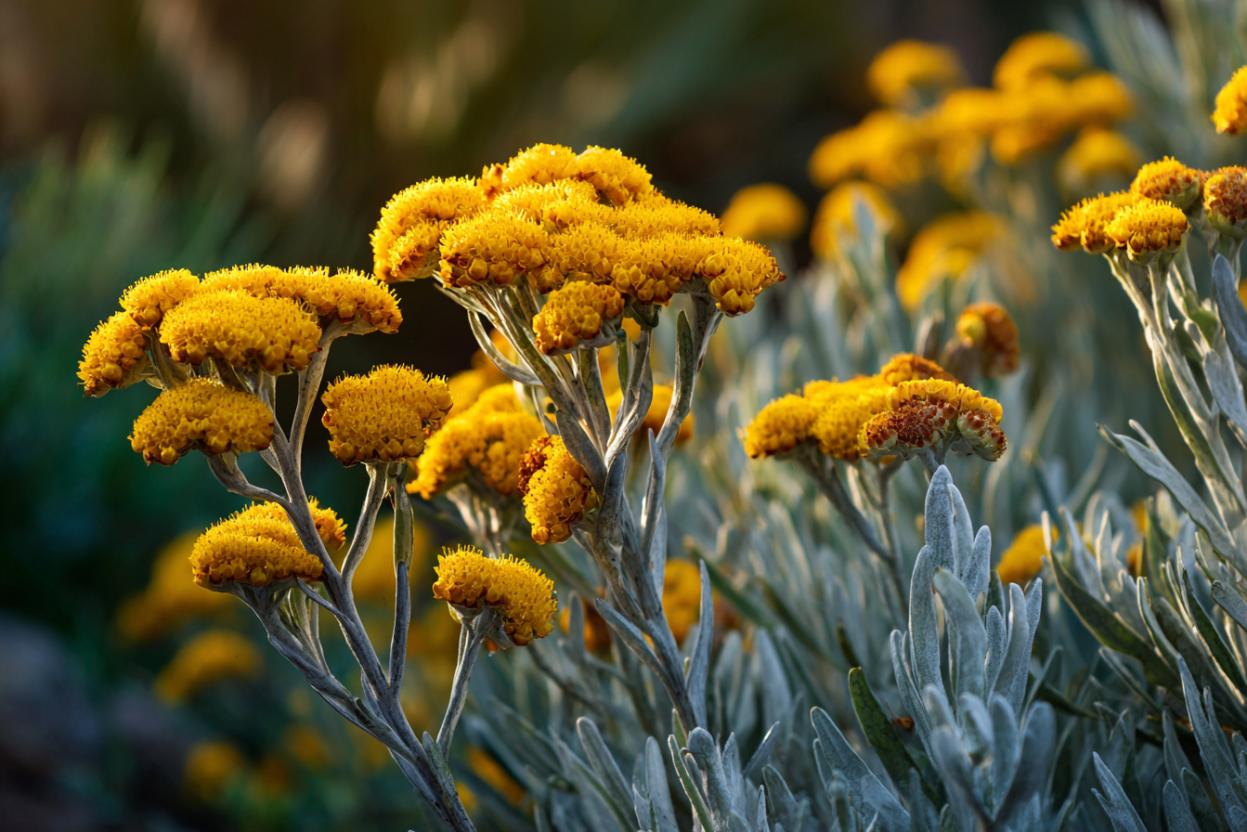
Helichrysum italicum is a small, bushy, evergreen subshrub that grows 30 to 60 centimeters (12–24 inches) tall and spreads up to 90 centimeters (3 feet) wide. Its growth habit is compact and cushion-shaped, with woody branching at the base and herbaceous growth at the tips. The stems are slender, upright in the center and slightly arching at the edges, covered in a silvery-white down that gives the entire plant a luminous, almost ghostly appearance in full sun.
The leaves are the plant’s most distinctive daily feature — narrow, linear, and needle-like, ranging from 1 to 3 centimeters long. They are covered in fine silver-gray hairs and emit a powerful, complex aroma when touched or brushed. The scent is often described as curry-like (hence one of its common names), though it is more accurately a blend of warm, herbaceous, resinous, and slightly bitter notes reminiscent of sage and wormwood.
From June through August, dense clusters of small, bright lemon-yellow to golden button-like flowers appear atop long stems rising above the foliage. These flowers are composed of tiny ray and disc florets arranged in corymbs. The plant is hermaphroditic (bearing both male and female organs) and is pollinated by insects. Most remarkably, the flowers retain their vibrant golden color even after being cut and dried — a trait that earned the plant its names “Everlasting” and “Immortelle.”
Origin
Helichrysum italicum is native to the Mediterranean basin, where it grows wild on dry, rocky, sandy ground along coastlines and hillsides. Its natural range spans Southern Europe — from Portugal and Spain across Southern France, Corsica, Sardinia, mainland Italy, Croatia, Bosnia and Herzegovina, Greece, and into Cyprus. It thrives at altitudes from sea level up to 2,200 meters. The genus Helichrysum itself is vast, comprising more than 600 species spread across Africa (with 244 species in South Africa alone), Madagascar, Australasia, and Eurasia.
Brief History
Helichrysum’s relationship with humans stretches back millennia. The Greek philosopher Theophrastus of Eresos documented plants of the Helichrysum genus in his Historia Plantarum (3rd–2nd century B.C.), noting their use in treating burns and venomous bites. Pedanius Dioscorides, the great Greek physician, described Helichrysum’s diuretic properties and its use for urinary disorders, sciatica, and hernias in his landmark De Materia Medica (1st century A.D.). Throughout Mediterranean history, the plant was woven into daily life — used in folk medicine, dried flower arrangements, and even in wreaths that symbolized endurance. Napoleon allegedly claimed he could identify his native Corsica by the scent of Helichrysum drifting across the sea. Today, Corsica remains one of the world’s premier sources of high-quality Helichrysum essential oil, with commercial cultivation expanding rapidly across Croatia, Bosnia, and other Balkan nations since the 1980s.
Growing & Cultivation
Climate & Zones
Helichrysum italicum thrives in USDA hardiness zones 7 through 10, with ideal performance in zones 8 and 9. It is a true Mediterranean plant — it loves hot, dry summers and mild winters. It can tolerate light frost but will suffer or die in prolonged freezing conditions. In cooler zones (6 and below), it can be grown as a container plant brought indoors for winter, or treated as an annual. In the southeastern United States, including Georgia, it performs well with proper drainage and sun exposure.
Soil Requirements
Helichrysum demands well-drained soil above all else. It evolved on rocky, sandy, nutrient-poor Mediterranean hillsides and actually performs poorly in rich, heavy, or waterlogged soils. Sandy to loamy soils with a neutral to slightly alkaline pH (6.5–8.0) are ideal. If your soil is heavy clay, amend heavily with sand, gravel, and perlite or grow in raised beds. In containers, use a cactus/succulent mix or blend standard potting soil with generous amounts of perlite and coarse sand. The plant is remarkably tolerant of poor soils — fertility is not the priority; drainage is everything.
Water & Sunlight
This plant is drought-tolerant once established and thrives on neglect. Water sparingly — only when the soil has dried thoroughly. Overwatering is the primary killer of Helichrysum. Signs of overwatering include yellowing lower leaves, root rot, and a general decline in vigor. In most climates, natural rainfall provides adequate moisture after the first growing season. Full sun is essential — a minimum of 6 to 8 hours of direct sunlight daily. The plant will become leggy, lose its compact form, and produce fewer flowers in shade. Indoors, it requires the brightest window available or supplemental grow lighting.
Propagation
Seed: Sow seeds indoors in February or March. Surface sow on well-drained seed compost (do not cover deeply — seeds need light to germinate). Germination typically occurs in 2 to 3 weeks at 20°C (68°F). Prick seedlings into individual pots and grow in a greenhouse or sunny windowsill through their first winter. Transplant outdoors after the last frost.
Cuttings: Semi-ripe (half-ripe) cuttings taken in June or July are the most reliable propagation method. Take 5 cm (2 inch) cuttings with a heel of older wood. Dip in rooting hormone and place in a well-drained propagation mix. Roots typically develop within 4 weeks with a high success rate. This method produces plants identical to the parent.
Division: Established plants can be carefully divided in spring, though this method is less common than cuttings due to the woody base of mature plants.
Planting
Plant in late spring or early summer after all risk of frost has passed. Space plants 60 to 90 cm (2–3 feet) apart to allow for full spread. Plant at the same depth as the nursery container. Add gravel or small stones around the base to improve drainage and reflect heat. Helichrysum makes an excellent companion for other Mediterranean herbs including lavender, rosemary, sage, and thyme. Avoid planting near moisture-loving plants that require frequent watering.
Harvesting
Harvest flowering tops when the blooms are just opening but before they are fully mature — typically in midsummer. For essential oil production, harvest in the morning after the dew has dried but before the heat of midday volatilizes the aromatic compounds. Cut stems about 15 cm (6 inches) below the flower clusters. For culinary use, young shoots and leaves can be harvested throughout the growing season. The plant responds well to regular harvesting and light trimming, which encourages bushy new growth.
Drying & Storage
Bundle small bunches of flowering stems and hang upside down in a warm, dry, well-ventilated area away from direct sunlight. Helichrysum dries exceptionally well — the flowers retain their golden color and much of their fragrance for months or even years. Once fully dried (typically 1–2 weeks), strip flowers and leaves from stems and store in airtight glass containers in a cool, dark place. Dried material retains potency for 6 to 12 months for medicinal use and longer for decorative purposes. Freezing fresh leaves in ice cube trays with water or oil is an option for preserving culinary uses.
Pest & Disease Management
Helichrysum is remarkably pest- and disease-resistant when grown in proper conditions. Root rot (caused by overwatering or poor drainage) is by far the most common problem. The plant is naturally deer resistant and its strong scent deters many insect pests. Occasionally, aphids may appear on new growth — a strong spray of water or neem oil solution addresses this. Good air circulation prevents the rare occurrence of fungal issues. The plant itself serves as a natural pest deterrent in the garden.
Companion Planting
Helichrysum pairs beautifully with other drought-tolerant Mediterranean herbs: lavender (Lavandula), rosemary (Salvia rosmarinus), sage (Salvia officinalis), thyme (Thymus vulgaris), and oregano (Origanum vulgare). It also complements ornamental grasses and other silver-foliaged plants. Its flowers attract beneficial insects including bees, enhancing pollination throughout the garden. Avoid planting alongside heavy feeders or moisture-loving plants like basil or mint.
The Healing of Growing
Growing Helichrysum offers benefits that begin long before any harvest. The act of gardening — hands working dry, sun-warmed soil, the resinous scent rising from every brushed leaf — has been shown to reduce cortisol, improve mood, and support immune function. The soil itself contains beneficial bacteria (Mycobacterium vaccae) with documented antidepressant effects. When you grow your own Helichrysum, you receive healing before you ever consume or distill it. The simple, meditative rhythm of tending a plant that asks so little yet gives so much is itself a form of therapy — a quiet reminder of the abundance designed into creation.
Nutritional Profile
Helichrysum italicum is used in small quantities as a culinary herb and herbal tea rather than consumed as a food in bulk. Its nutritional significance lies not in macronutrients but in its rich concentration of bioactive phytonutrients — the compounds that give it therapeutic power.
Macronutrients (Dried Flower Material, approximate per 100g dry weight)
Based on compositional analysis of H. italicum flowers: Carbohydrates comprise the majority at approximately 84.7% of dry weight, followed by ash (6.3%), protein (5.4%), and lipids (3.6%). These values are similar to other edible wildflowers such as marigold and dog rose. Because Helichrysum is used as a flavoring herb rather than a staple food, these macronutrient values are of limited practical significance — what matters are the compounds described below.
Phytonutrients & Active Compounds
This is where Helichrysum’s true nutritional power resides. The plant contains an extraordinary array of bioactive compounds:
Flavonoids — including naringenin, apigenin, luteolin, and kaempferol. Naringenin has demonstrated anti-inflammatory, antioxidant, and hepatoprotective properties. Luteolin is a potent antioxidant shown in research to attenuate UVB-induced DNA damage and generation of reactive oxygen species. Apigenin has documented calming effects, supporting GABA receptor activity in the nervous system.
Acetophenones — unique compounds found in Helichrysum that demonstrate anti-inflammatory activity by inhibiting arachidonic acid metabolism, a key pathway in the body’s inflammatory response.
Arzanol — a prenylated phloroglucinyl α-pyrone heterodimer identified as the major anti-inflammatory compound in H. italicum. Arzanol has been shown to inhibit both the cyclooxygenase (COX) and 5-lipoxygenase (5-LO) pathways simultaneously — the same pathways targeted by pharmaceutical anti-inflammatory drugs, but through a natural, multi-pathway mechanism.
Polyphenols & Coumarins — contributing to the plant’s powerful antioxidant activity. The high polyphenol content supports free radical scavenging, helping protect cells from oxidative damage.
Phloroglucinols — compounds that have demonstrated antifungal action against Candida albicans and inhibitory activity against HIV in laboratory studies.
Connection to Body Compounds
The flavonoids in Helichrysum — particularly apigenin — may support GABA activity, the brain’s primary calming neurotransmitter. The plant’s documented anti-inflammatory compounds work to reduce pro-inflammatory cytokines including TNF-α and interleukins IL-1 and IL-6. Its antioxidant activity helps protect against the oxidative stress that depletes serotonin and other mood-regulating neurotransmitters. The cortisol-like mechanism identified in research suggests the plant’s compounds may interact with the body’s stress-response system, potentially supporting healthy cortisol regulation.
Nutrient Notes
Because Helichrysum is consumed in small quantities (as tea, flavoring, or supplement), the bioavailability of its active compounds is an important consideration. Water-based preparations (teas and infusions) effectively extract flavonoids and other water-soluble polyphenols. Oil-based preparations better extract lipophilic compounds like certain terpenes. The synergistic effect of consuming the whole plant material — rather than isolated compounds — appears to enhance overall bioactivity, as multiple compounds work together through complementary pathways.
Culinary Uses
Edible Parts
Young shoots, leaves, and flowers are all edible. The leaves and young shoots are the most commonly used culinary parts. Flowers can be used to make herbal tea or as edible garnish. Leaves can be plucked fresh and added raw to salads in small amounts.
Flavor Profile
Despite its common name “curry plant,” Helichrysum does not taste like curry powder — it smells like it. The actual flavor is complex: warm, resinous, slightly bitter, and herbaceous with notes of sage, wormwood, and a faint sweetness. When fresh, the aroma is intensely curry-like and penetrating. When cooked, the bitterness mellows somewhat, leaving behind a subtle, warm, savory depth. Dried leaves retain their aroma but become milder in flavor. The intensity is strong — a little goes a long way.
Preparation
The traditional Mediterranean method is to add whole sprigs to stews, soups, rice, meat, fish, or vegetable dishes during cooking — then remove the sprig before serving, much like a bay leaf. The plant imparts its warm, aromatic flavor to the dish without contributing the bitterness of the leaves themselves. Fresh leaves can be finely chopped and used sparingly in salads, compound butters, or soft cheeses. Flowers make a pleasant herbal tea — steep dried flowers in hot water for 5 to 10 minutes. The essential oil (in very small, food-grade quantities) has been used commercially to enhance fruit flavors in sweets, ice cream, baked goods, soft drinks, and chewing gum.
Culinary Pairings
Helichrysum pairs well with Mediterranean proteins — lamb, chicken, fish, and pork. It complements root vegetables, potatoes, rice, and legumes. Other compatible flavors include olive oil, lemon, garlic, rosemary, thyme, and sage. It adds an unexpected warmth to egg dishes and savory pastries. In Sardinia, an alcoholic maceration of the flowering tops produces a traditional liqueur with an intensely aromatic, pleasantly bitter taste.
Storage
Fresh sprigs can be wrapped loosely in a damp paper towel and stored in the refrigerator for up to one week. For longer preservation, dry the leaves and flowers as described in the Growing section. Dried Helichrysum retains its aroma and culinary usefulness for 6 to 12 months when stored properly in airtight containers away from light and heat. Fresh leaves can also be frozen in olive oil in ice cube trays for convenient cooking portions.
Ready to cook with Helichrysum? View Recipes on Chefts →
Wellness & Therapeutic Uses
Traditional Uses
Helichrysum has been used medicinally across the Mediterranean for thousands of years. In Italy, Spain, Portugal, and Bosnia and Herzegovina, the flowers and leaves have traditionally been used to support the body during allergies, colds, coughs, skin disorders, liver and gallbladder complaints, inflammation, infections, and sleeplessness. Italian folk medicine has a particularly rich tradition with this plant — households have long combined it with olive oil as a topical application for burns, sunburns, and wounds. In Sardinia and Corsica, it has been used as a respiratory aid, earning the folk name “breath herb” for its balsamic properties. In veterinary folk medicine across the Mediterranean, the plant was used to support respiratory health in donkeys and joint comfort in horses — and it was these animal uses that prompted some of the earliest modern scientific investigations.
The Greek philosopher Theophrastus (3rd–2nd century B.C.) recorded the use of Helichrysum plants mixed with honey for burns and for treating venomous bites and stings. Dioscorides (1st century A.D.) documented the decoction of Helichrysum flowers macerated in wine for its diuretic properties and its application for urinary disorders, sciatica, and hernias. In South Africa, the Dutch botanist Herman Boerhaave reported the use of Helichrysum species for nervousness and hysteria as early as 1727.
Modern Research
Anti-inflammatory Activity: A landmark study published in the Journal of Pharmacy and Pharmacology (2002, Spain) established that H. italicum extracts demonstrated anti-inflammatory and antioxidant activity through multiple mechanisms — including inflammatory enzyme inhibition, free-radical scavenging, and corticoid-like effects. The researchers concluded that the anti-inflammatory activity operates via a mechanism similar to corticosteroids. (PubMed: 11902802)
Antimicrobial Activity: Research has demonstrated that H. italicum extracts inhibit the growth of Staphylococcus aureus — including methicillin-resistant strains (MRSA) — by reducing both bacterial growth and virulence factors such as coagulase, DNAse, and lipase. (PubMed: 11397624)
Antifungal Activity: Acetophenones, phloroglucinols, and terpenoids from H. italicum have displayed antifungal action against Candida albicans in laboratory studies.
Skin Regeneration & Wound Healing: An in vitro study at Istanbul Medipol University (2023, Turkey) found that H. italicum extract caused significant upregulation of FGF-2 (fibroblast growth factor) and HAS-2 (hyaluronic acid synthase) gene expressions in dermal fibroblasts — two key markers of skin repair, collagen production, and UV protection. The researchers concluded the plant may have “a promising future in anti-aging studies and cosmetic dermatology.” (PubMed: 38407084)
Photoprotective Activity: The flavonoids in H. italicum — particularly luteolin — have demonstrated anti-erythematous (anti-redness) and photoprotective activity against UVB radiation in both animal and human studies, attenuating DNA damage and the generation of reactive oxygen species.
Antioxidant Activity: Multiple studies confirm strong antioxidant activity through both enzymatic and non-enzymatic lipid peroxidation inhibition and free-radical scavenging. The high polyphenol, flavonoid, and coumarin content drives this effect. (PMC: 9957194)
Digestive Support: A study demonstrated that the ethanolic extract of H. italicum flowers induced antispasmodic actions in the isolated mouse ileum and significantly inhibited motility in the inflamed gut, confirming the traditional use of Helichrysum herbal tea for inflammatory bowel conditions.
Anti-hematoma & Post-Surgical Healing: A clinical protocol using local application of Helichrysum essential oil was shown to reduce tissue inflammation and accelerate the disappearance of edema, bruising, and hematoma in patients after plastic and reconstructive chest surgery (Voinchet and Giraud-Robert, 2007, France).
Body Systems Supported
Integumentary System (Skin): The most extensively documented area — wound healing, scar reduction, anti-aging, UV protection, and anti-inflammatory skin support.
Immune System: Antimicrobial, antifungal, and antiviral properties support immune defense. Flavonoids and phloroglucinols have shown activity against bacteria, fungi, HSV, and HIV in laboratory settings.
Digestive System: Traditional choleretic (bile-stimulating), hepatoprotective, antispasmodic, and carminative properties support liver, gallbladder, and digestive function.
Respiratory System: Traditional use as an expectorant and decongestant for colds, coughs, bronchitis, and allergies.
Nervous System: Traditional use for sleeplessness. The calming aromatic profile and apigenin content support relaxation.
Musculoskeletal System: Anti-inflammatory properties may support joint comfort and muscle recovery. Essential oil is widely used for bruising, sprains, and soft tissue support.
Urinary System: Historically documented diuretic properties dating to Dioscorides.
Body Compounds Affected
Research suggests Helichrysum influences several key body compounds: Pro-inflammatory cytokines (TNF-α, IL-1, IL-6) are modulated through the plant’s multi-pathway anti-inflammatory action. Prostaglandins are affected via inhibition of the COX pathway and phospholipase A2. Leukotrienes are reduced through 5-lipoxygenase inhibition. The corticoid-like mechanism suggests potential interaction with the body’s cortisol pathways. The apigenin content may support GABA receptor activity, promoting calm. The antioxidant activity helps preserve nitric oxide bioavailability, supporting healthy circulation.
Methods of Use
Tea/Infusion
Use dried flowers or flowering tops. Steep 1 to 2 teaspoons of dried material per cup (240 ml) of hot water (just below boiling, approximately 95°C / 200°F). Steep for 5 to 10 minutes, covered. Strain and drink. Traditionally consumed 2 to 3 times daily for digestive, respiratory, or general wellness support. The tea has a warm, slightly bitter, herbaceous flavor.
Tincture
Alcohol-based tinctures extract a broader range of compounds (both water-soluble and lipid-soluble). Typical dosage ranges from 1 to 3 ml (approximately 20–60 drops) taken 2 to 3 times daily, diluted in a small amount of water. Consult a qualified herbalist for personalized guidance.
Essential Oil (Topical)
See the Essential Oil Profile section below for detailed dilution and application guidelines. Always dilute before skin application.
Poultice/Compress
Fresh or dried plant material can be applied as a poultice to bruised, inflamed, or damaged skin. A strong infusion soaked into cloth makes an effective compress for sprains, swelling, and skin irritation.
Cosmetic & Beauty Uses
Skin Benefits
Helichrysum is widely considered one of the most powerful botanicals for skin regeneration. Research has identified mechanisms that help explain its traditional reputation: the plant upregulates fibroblast growth factor (FGF-2), which stimulates collagen production and tissue repair; it increases hyaluronic acid synthase (HAS-2) expression, which supports skin hydration and elasticity; and its compounds inhibit collagenase and elastase — the enzymes that break down collagen and elastin, the structural proteins responsible for firm, youthful skin.
Skin types that may benefit most include mature skin (anti-aging support), damaged or scarred skin (tissue regeneration), acne-prone skin (antimicrobial and anti-inflammatory action), sensitive or inflamed skin (calming and soothing properties), and sun-exposed skin (photoprotective flavonoids). Its antioxidant profile makes it beneficial for virtually all skin types seeking protection from environmental damage.
Hair Benefits
The anti-inflammatory and antimicrobial properties of Helichrysum support scalp health, potentially addressing dandruff, itchiness, and inflammation at the hair follicle. Its circulation-stimulating properties may support hair growth when applied topically in diluted form. A strong Helichrysum infusion used as a final hair rinse adds subtle shine and supports overall scalp wellness.
Application Methods
Infused Oil: Fill a jar halfway with dried Helichrysum flowers. Cover with a carrier oil such as jojoba, sweet almond, or olive oil. Seal and place in a sunny window for 4 to 6 weeks, shaking daily. Strain and use as a facial oil, body oil, or massage oil. This is one of the most versatile and traditional methods of using Helichrysum for skin.
Facial Steam: Add a handful of dried flowers to a bowl of steaming water. Drape a towel over your head and lean over the bowl for 5 to 10 minutes. This opens pores, delivers aromatic compounds directly to the skin, and creates a calming, spa-like experience.
Face Masks: Mix finely powdered dried Helichrysum flowers with honey, clay (kaolin or bentonite), or yogurt for a nourishing mask. Apply for 15 to 20 minutes and rinse with warm water.
Toner: A Helichrysum hydrosol (the water remaining after steam distillation) makes an excellent facial toner — gentle, hydrating, and mildly anti-inflammatory. If hydrosol is not available, a cooled strong infusion of the flowers can be used similarly.
Bath Addition: Add a strong infusion or muslin bag of dried flowers to bath water for full-body skin benefits.
DIY Formulation Notes
When adding Helichrysum essential oil to homemade products, a 1–2% dilution is standard for facial products and 2–3% for body products. Jojoba, rosehip seed, and argan oil are particularly complementary carrier oils. Helichrysum blends well with lavender, frankincense, rose, and geranium essential oils in cosmetic formulations. Homemade infused oils have a shelf life of approximately 6 to 12 months when stored in dark glass containers in a cool location. Add vitamin E oil (0.5%) as a natural preservative.
Helichrysum is among the botanicals being explored for holistic cosmetic applications, where the wisdom of traditional beauty practices meets modern understanding of skin science.
Essential Oil Profile
Extraction
Helichrysum italicum essential oil is obtained by steam distillation of the fresh flowering tops of the plant. The yield is relatively low — approximately 0.04% to 0.1% — meaning it takes roughly 1,000 to 1,500 kg of plant material to produce 1 kg of essential oil. This exceptionally low yield, combined with the plant’s specific growing requirements and high demand, makes Helichrysum one of the most expensive essential oils in the world, with market prices reaching €1,500–2,000 per kilogram for high-quality Corsican oil. CO2 supercritical extraction is also used and may yield a broader range of compounds, including heavier molecules not captured by steam distillation.
Chemical Constituents
The composition of Helichrysum italicum essential oil varies significantly depending on geographic origin, subspecies, growing conditions, and harvest timing. Two primary chemotypes are recognized:
Neryl Acetate Chemotype (Corsica, Sardinia, parts of France): Dominated by neryl acetate (25–40%), italidiones/β-diketones (5–12%), γ-curcumene (6–12%), neryl propionate (4–5%), nerol (3–5%), and limonene (3–5%). This is the most sought-after therapeutic chemotype.
α-Pinene Chemotype (Balkans, mainland Italy): Higher in α-pinene (15–35%), β-caryophyllene, β-selinene, and γ-curcumene, with lower levels of neryl acetate and italidiones.
Key constituent categories and their effects:
Esters (Neryl Acetate, Neryl Propionate, Geranyl Acetate): Calming, antispasmodic, skin-regenerating. Neryl acetate is one of the primary compounds responsible for Helichrysum’s renowned skin cell regeneration properties.
β-Diketones (Italidiones I, II, III): Found exclusively in H. italicum — no other commercially available essential oil contains these compounds. Italidiones are largely responsible for the anti-inflammatory, anti-hematoma, and tissue-regenerating action that sets this oil apart. They also contribute significantly to the oil’s distinctive spicy, curry-like scent.
Sesquiterpenes (γ-Curcumene, ar-Curcumene, β-Caryophyllene, Italicene): Anti-inflammatory, wound-healing, antioxidant. γ-Curcumene is particularly noted for its tissue-healing and anti-inflammatory effects.
Monoterpenes (α-Pinene, Limonene): Antimicrobial, decongestant, mildly stimulating. α-Pinene contributes antibacterial activity.
Monoterpenols (Nerol, Linalool): Skin-healing, calming, mildly antimicrobial. Gentle enough for sensitive skin applications.
Aroma Profile
Helichrysum essential oil is classified as a middle to base note in perfumery. The scent is deeply complex — simultaneously sweet and herbaceous, with a rich, honey-like warmth. Top notes present as slightly green and fresh. The heart reveals a spicy, curry-like warmth with saffron and chamomile nuances. The base is deep, sweet, and resinous with a lasting, warm amber quality. Aromatherapist Steffen Arctander described the scent as “powerful and diffusive, rich, with an overwhelming sweet, honey-like depth.” It blends well with rose, lavender, bergamot, clary sage, frankincense, vetiver, cedarwood, and citrus oils.
Therapeutic Properties
Using compliant language, Helichrysum essential oil is recognized for the following properties: anti-inflammatory, anti-hematoma (bruise-reducing), antimicrobial, antioxidant, antispasmodic, cicatrisant (scar-healing), nervine (calming to the nervous system), cytophylactic (cell-regenerating), and mucolytic (mucus-thinning).
How to Use
Diffusion
Add 3 to 5 drops to an ultrasonic or nebulizing diffuser. Diffuse for 30 to 60 minutes at a time. The aroma promotes emotional calm, supports respiratory comfort, and creates a warm, grounding atmosphere. Blends beautifully with lavender (calming), frankincense (meditative), or bergamot (uplifting).
Topical Application
Standard adult dilution: 2–3% (approximately 12–18 drops per ounce/30 ml of carrier oil). Sensitive skin: 1% (6 drops per ounce). Children over 6: 0.5–1% (3–6 drops per ounce). Elderly: 1–2% (6–12 drops per ounce). Jojoba, rosehip seed, argan, and tamanu are excellent carrier oils for skin applications. Apply to bruises, scars (old and new), inflamed skin, fine lines, and areas of concern. For acute injuries (bruises, sprains), some practitioners recommend careful neat application of a single drop to the affected area immediately after injury — though this is not standard practice and should be approached with caution. Robert Tisserand and Rodney Young note no special precautions for Helichrysum essential oil in their reference text Essential Oil Safety (2nd edition).
Quality & Sourcing
Due to its high price, Helichrysum essential oil is frequently adulterated. Look for: the exact botanical name (Helichrysum italicum) and subspecies on the label; a country of origin (Corsica, France, Bosnia, Croatia, Italy); a GC/MS (gas chromatography/mass spectrometry) test report available from the supplier; and a price that reflects reality — genuine H. italicum oil is expensive. If the price seems too good to be true, it likely is. The best therapeutic-quality oils are rich in neryl acetate (25%+) and contain measurable levels of italidiones. Low α-pinene content is generally preferred for skin applications.
Blending
For Skin Regeneration: Helichrysum + Rose + Frankincense in rosehip seed oil. For Bruises & Inflammation: Helichrysum + Lavender + German Chamomile in argan oil. For Respiratory Support: Helichrysum + Eucalyptus + Ravintsara in a steam inhalation. For Emotional Calm: Helichrysum + Bergamot + Vetiver in a diffuser. For Scar Support: Helichrysum + Lavender + Carrot Seed in tamanu oil.
Aromatherapy & Scent
The Aroma
Fresh Plant Aroma: The living Helichrysum plant emits a warm, complex, curry-like fragrance that intensifies remarkably when the leaves are touched, brushed, or crushed. The scent is strongest during the heat of the day when volatile oils are most active, and after rain when moisture releases trapped compounds from the silvery leaf hairs. Simply walking past a Helichrysum hedge on a warm afternoon delivers an enveloping wave of spicy, herbaceous warmth. The fresh flowers add a sweeter, honey-like top note to the overall plant fragrance.
Dried Plant Aroma: Dried Helichrysum retains its aromatic properties remarkably well — this is, after all, the “Everlasting” plant. The dried scent is somewhat mellower and more resinous than fresh, losing some of the sharp green top notes while the warm, honey-sweet, curry-spice base deepens. Well-dried flowers maintain noticeable scent for 12 months or longer, making them exceptional for sachets, potpourri, and dried arrangements.
How Scent Affects Your Body
When you inhale Helichrysum’s aroma, volatile molecules released by the plant enter the nasal passages and bind to olfactory receptors. These receptors send electrical signals directly to the limbic system — the emotional center of the brain — and the hypothalamus, which governs hormonal responses. This pathway bypasses conscious thought entirely. Your body begins responding to the scent within seconds — before you have formed any opinion about it. This direct limbic access is why certain scents can instantly shift mood, trigger memories, or calm anxiety.
Emotional & Mood Effects
Helichrysum’s aroma is widely described in aromatherapy literature as deeply grounding and calming while remaining warm and comforting — not sedating. Users and practitioners commonly report that it promotes emotional release, supports processing of grief or trauma, fosters a sense of safety and being held, reduces feelings of anxiety and nervous tension, and creates a quiet, reflective mood conducive to meditation or prayer. A small pilot study on inhaled essential oils and mental exhaustion found that aromatic exposure supported recovery from burnout symptoms.
Body Compounds Affected
While specific research on Helichrysum aroma and neurotransmitter levels is limited, the general aromatherapy literature and the plant’s chemical profile suggest: the calming aroma may help lower cortisol (the stress hormone), as demonstrated broadly in aromatherapy research. The presence of linalool (in small amounts) and other calming constituents may support GABA activity. The warm, comforting quality of the scent is associated with serotonin-supportive effects. The grounding nature of the aroma may help modulate the adrenaline/norepinephrine stress response.
Ways to Experience the Scent
Beyond essential oil diffusion, there are many ways to enjoy Helichrysum’s aroma: grow the plant in containers on a patio or doorstep where you will brush past it regularly; place fresh cuttings in a vase near a sunny window; crush fresh leaves between your fingers while gardening and inhale deeply; tuck dried flower sachets into drawers, closets, or under pillows; add dried flowers to homemade potpourri blends; simmer a handful of dried flowers in a small pot of water on the stove for a natural room freshener; and add fresh or dried flowers to a warm bath for an aromatic soak.
Color Therapy
The Colors of Helichrysum
Helichrysum presents a striking palette: the flowers are a vibrant golden yellow, ranging from bright lemon to deep gold. The foliage is a distinctive silvery gray-green, covered in fine white hairs that catch and reflect light. New growth is slightly greener, while mature leaves deepen in their silver quality. Stems at the base show a warm brown-gray from their woody nature. This combination of gold flowers against silver foliage creates a luminous, sun-drenched visual impression.
Color Wavelengths
The dominant golden yellow of Helichrysum flowers falls within the yellow wavelength range of approximately 570 to 590 nm. The silvery foliage reflects across a broad spectrum, appearing as a cool green-gray (approximately 495–570 nm with high reflectivity). Together, these create a visual experience that combines the properties of both yellow and green-silver light.
How Yellow and Silver-Green Affect the Body
Yellow (570–590 nm) is associated with mental clarity, optimism, warmth, and digestive stimulation. In color therapy, it is linked to the solar plexus — the center of personal power, confidence, and self-esteem. Viewing yellow light has been shown to stimulate mental activity and elevate mood. Green (495–570 nm) is considered the most balancing color in the visible spectrum. It is associated with the heart center, calm, restoration, and a deep sense of connection to nature. The silver quality of the foliage adds an element of purification and reflection. Having Helichrysum in your environment offers a visual experience that simultaneously clarifies the mind (yellow) and calms the heart (green-silver).
Body Compounds Affected
Exposure to yellow light has been associated with support for serotonin production and mental alertness. Green light exposure is linked to reduced cortisol levels and lower blood pressure. The combined visual palette of Helichrysum may support balanced mood chemistry through these complementary color wavelength effects.
Using Helichrysum for Color Therapy
Place potted Helichrysum in spaces where you work or study to benefit from the clarifying yellow and balancing silver-green. Use cut stems with flowers as a centerpiece during meals — combining visual therapy with the aromatic benefits. In rooms where calm focus is needed (home office, study, meditation space), the plant’s color profile is particularly supportive. Growing Helichrysum in a garden bed visible from a window brings its color therapy benefits into your daily view. For “eating the rainbow,” adding the edible golden flowers to salads delivers the yellow spectrum directly into the body.
Frequency & Vibration
The Frequency of Helichrysum
According to bio-frequency research pioneered by Bruce Tainio and others, essential oils vibrate at measurable frequencies. Helichrysum essential oil has been measured at approximately 181 MHz — placing it among the highest-frequency essential oils documented. For comparison, rose essential oil measures approximately 320 MHz, and frankincense approximately 147 MHz. A healthy human body is generally measured between 62 and 78 MHz, while disease onset is associated with frequencies below 58 MHz.
Human Frequency Interaction
According to the principle of entrainment in vibrational physics, a stronger, more coherent frequency can influence and “lift” a weaker or less coherent one. Proponents of vibrational medicine suggest that being around high-frequency plants and using high-frequency essential oils may support the body’s own vibrational state. With its measurement of approximately 181 MHz, Helichrysum essential oil is considered a high-frequency tool for supporting the body’s energetic wellness. It is important to note that bio-frequency measurement of essential oils remains an area where research is emerging. While Tainio’s work is frequently cited, peer-reviewed validation is still developing. Use language like “frequency measurements suggest” rather than treating these numbers as absolute.
Essential Oil Frequency
The steam distillation process that produces Helichrysum essential oil concentrates the plant’s volatile compounds, and according to frequency research, this concentration also amplifies the measurable frequency. The living plant itself vibrates at a lower but still significant frequency, contributing to the environment of any space where it grows.
Vibrational Applications
To use Helichrysum for frequency support: diffuse the essential oil during meditation, prayer, or healing practices; apply diluted oil to pulse points (wrists, temples, behind ears) before entering stressful environments; grow living plants in your home or workspace for ambient vibrational support; and combine with other high-frequency practices such as prayer, gratitude, music, and time in nature to create a mutually reinforcing environment of elevated frequency.
The Living Plant
Benefits of Presence
Simply being near a living Helichrysum plant provides benefits that extend beyond any preparation or extraction. The plant continuously releases volatile organic compounds into the surrounding air — tiny amounts of the same molecules concentrated in the essential oil. These ambient aromatics interact with your body’s chemistry passively, throughout the day, without any conscious effort. The visual beauty of the silver foliage and golden flowers engages the calming effects of biophilic design — the well-documented human need for connection with living nature.
Air Purification
While Helichrysum is not among the plants tested in NASA’s Clean Air Study, its rich profile of volatile organic compounds — many of which are antimicrobial — contributes to a cleaner indoor air environment. The phytoncides released by aromatic plants like Helichrysum have documented antimicrobial properties, reducing airborne bacteria and fungi in the surrounding space. The plant produces oxygen during photosynthesis and contributes modestly to indoor humidity regulation through transpiration.
Phytoncides
Helichrysum releases phytoncides — antimicrobial volatile organic compounds that plants produce as part of their natural defense system. Forest bathing (shinrin-yoku) research has demonstrated that exposure to phytoncides increases Natural Killer (NK) cell activity in the human body, supporting immune function. While most forest bathing research focuses on trees, the principle applies to all plants that release these protective compounds. Having aromatic plants like Helichrysum in your living space creates a miniature forest-bathing effect.
Visual & Psychological Benefits
Research consistently demonstrates that viewing plants reduces physiological markers of stress, improves attention and cognitive performance (attention restoration theory), and accelerates healing in healthcare settings — patients with views of plants or greenery recover faster and require less pain medication. The distinctive silver-and-gold appearance of Helichrysum is particularly visually engaging, offering both the calming effects of the green spectrum and the mood-elevating effects of the golden flowers.
Growing Indoors vs Outdoors
Helichrysum can be grown indoors in a bright, sunny window — ideally south-facing with at least 6 hours of direct sunlight. Use very well-drained soil, water sparingly, and ensure good air circulation. Indoors, the plant will be smaller but still releases its characteristic aroma and provides visual beauty. Outdoors, it thrives with minimal care in Mediterranean or semi-arid conditions, where it can reach its full size and produce abundant flowers. For the fullest “living plant” experience, outdoor growing in a garden you visit daily offers the combined benefits of sun, soil contact, fresh air, and the ambient presence of the plant in its natural glory.
Touch & Physical Interaction
Gardening Therapy
Working with Helichrysum connects you to one of the oldest healing practices — horticultural therapy. The simple, repetitive acts of planting, watering, pruning, and harvesting engage the body, calm the mind, and focus attention on the present moment. Helichrysum is an especially rewarding plant for therapeutic gardening because it asks very little (drought-tolerant, pest-resistant, low-maintenance) yet gives abundantly (fragrance, beauty, harvestable material). This creates a sense of accomplishment without the stress of demanding care requirements.
Soil Contact Benefits
When you garden with bare hands — or better yet, bare feet — you receive benefits from the earth itself. Grounding/Earthing: Direct skin contact with soil allows the transfer of electrons from the earth, which research suggests may reduce inflammation and normalize cortisol rhythms. Mycobacterium vaccae: This naturally occurring soil bacterium has been shown in research to stimulate serotonin production and modulate the immune system, producing documented antidepressant effects. Microbiome support: Exposure to the diverse microbial community in healthy soil supports the diversity of your own skin and gut microbiome — a critical factor in immune health.
The Tactile Experience
Touching Helichrysum is a unique sensory experience. The leaves feel soft and slightly fuzzy from their covering of fine silver hairs — a gentle, almost velvety texture that releases a burst of warm, spicy fragrance with every touch. The woody base of mature stems offers a contrasting firmness. Harvesting the flower stems provides a satisfying snap. Stripping dried flowers from stems for processing is a meditative, repetitive motion that engages fine motor skills and promotes calm focus. The entire tactile experience of this plant is warm, aromatic, and grounding — an invitation to slow down.
Harvesting & Processing
The harvest of Helichrysum is a therapy in itself. Cutting stems in the warm sun, surrounded by the plant’s intoxicating fragrance, is a deeply grounding experience. Bundling the stems for drying engages rhythmic, repetitive motion. Stripping dried flowers, crumbling leaves for tea blends, or filling sachets with dried material are all meditative activities that connect you to a lineage of herbalists stretching back thousands of years. There is a particular satisfaction in growing, harvesting, and processing your own healing plants — a cycle of care and provision that mirrors deeper truths about how the Creator designed us to interact with the natural world.
Water-Based Applications
Teas & Infusions
Standard Infusion: Place 1 to 2 teaspoons of dried Helichrysum flowers (or 1 tablespoon fresh) in a cup. Pour 240 ml (8 oz) of hot water (approximately 95°C / 200°F — just below boiling) over the plant material. Cover to prevent volatile compounds from escaping in the steam. Steep for 5 to 10 minutes. Strain and drink. The resulting tea is a warm golden color with a slightly bitter, herbaceous, pleasantly aromatic flavor.
Cold Infusion: For a gentler preparation that preserves more delicate compounds, place 2 tablespoons of dried flowers in a jar with 500 ml (2 cups) of cool water. Cover and refrigerate for 8 to 12 hours. Strain and consume within 24 hours. Cold infusions tend to be less bitter with a softer, sweeter flavor profile.
Traditionally, Helichrysum tea has been consumed 2 to 3 times daily to support digestive wellness, respiratory comfort, and general anti-inflammatory benefit.
Herbal Baths
For a full-body Helichrysum bath, prepare a strong infusion using 4 to 6 tablespoons of dried flowers steeped in 1 liter (4 cups) of hot water for 15 to 20 minutes. Strain and add the concentrated liquid to a warm bath (37–39°C / 98–102°F). Alternatively, place a large handful of dried flowers in a muslin bag and suspend it under the running tap as the bath fills. Soak for 20 to 30 minutes. This is traditionally used for inflamed or irritated skin, muscle soreness, and general relaxation. For a simpler daily practice, a Helichrysum foot soak (same method, smaller basin) provides many of the same benefits through the highly absorptive skin of the feet.
Hydrosols
Helichrysum hydrosol — the aromatic water co-produced during steam distillation of the essential oil — is a gentle, water-based preparation that contains water-soluble plant compounds and trace amounts of essential oil. It is milder than the essential oil and can be used directly on the skin without dilution. Uses include: facial toner (spritz onto clean skin), after-sun spray, minor wound irrigation, and a calming room spray. Research has shown that Helichrysum hydrosol promotes wound healing, collagen deposition, and cell regeneration in laboratory settings. Hydrosol is becoming more widely available from specialty aromatherapy suppliers.
Compresses
Hot Compress: Soak a clean cloth in a strong, warm Helichrysum infusion. Wring lightly and apply to the affected area. Cover with a dry towel to retain heat. Use for muscle aches, joint stiffness, and congestion. Reapply as needed for 15 to 20 minutes. Cold Compress: Prepare the same infusion but allow it to cool, then refrigerate. Apply cold-soaked cloth to bruises, swelling, sprains, or inflamed skin. The combination of the plant’s anti-inflammatory compounds with cold therapy creates a synergistic effect.
Steam Inhalation
Add 2 to 3 tablespoons of dried Helichrysum flowers (or 3–5 drops of essential oil) to a large bowl of steaming water. Lean over the bowl with a towel draped over your head to create a tent. Breathe slowly and deeply through the nose for 5 to 10 minutes. This is traditionally used for sinus congestion, coughs, bronchial discomfort, and allergies. The volatile antimicrobial and anti-inflammatory compounds are delivered directly to the respiratory tract. Caution: keep eyes closed and maintain a safe distance from the steam to prevent burns.
Hair Rinses
Prepare a strong infusion of Helichrysum flowers (3 tablespoons per liter of water, steeped 20 minutes, strained and cooled). After shampooing and conditioning, pour the infusion over the hair as a final rinse. Do not rinse out. This supports scalp health through the plant’s antimicrobial and anti-inflammatory properties, adds subtle shine, and leaves a faint, pleasant herbal scent. Particularly beneficial for itchy, flaky, or inflamed scalps.
Historical, Cultural & Biblical Significance
Biblical References
Helichrysum (H. italicum) is not directly mentioned by name in Scripture. However, the genus Helichrysum includes species native to the biblical lands of the Near East — particularly Helichrysum sanguineum, which grows wild in Israel and surrounding regions. The broader Asteraceae family, to which Helichrysum belongs, includes many plants that would have been familiar in the biblical world. While we cannot claim a specific scriptural reference, the principles of God’s provision of healing plants are woven throughout the Bible: “And the fruit thereof shall be for meat, and the leaf thereof for medicine” (Ezekiel 47:12, KJV). The “Immortelle” — the Everlasting flower — is a living illustration of endurance and provision embedded in creation.
Ancient Civilizations
Greek Civilization: The earliest documented medicinal use of Helichrysum comes from the Greek philosopher and botanist Theophrastus of Eresos (371–287 B.C.), who recorded in his Historia Plantarum that “Heleiochrysos” — plants of the Helichrysum genus — were used mixed with honey for treating burns and for venomous bites and stings. The name itself comes from the Greek helios (sun) and chrysos (gold), reflecting the plant’s radiant golden flowers. Greek culture observed what God had designed and documented what worked — their observations align with what modern research confirms about the plant’s anti-inflammatory and wound-healing properties.
Roman Civilization: The great Roman-era Greek physician Pedanius Dioscorides (c. 40–90 A.D.), serving with the armies of Emperor Nero, documented Helichrysum in Book Four of his landmark De Materia Medica. He described the decoction of Helichrysum flowers macerated in wine as having diuretic properties and being useful for urinary disorders, snake bites, sciatica, and hernias. Pliny the Elder also referenced Helichrysum plants in his Naturalis Historia. These classical references established a foundation of medicinal knowledge that would persist for over 1,500 years.
Eastern Traditions
While H. italicum specifically is a Mediterranean species, the broader Helichrysum genus has representatives used in traditional medicine across multiple Eastern traditions. In South Africa, where the genus is extraordinarily diverse (244+ species), various Helichrysum species have been used for centuries in traditional healing practices for respiratory conditions, wound healing, and digestive support. The Dutch botanist Herman Boerhaave documented the use of South African Helichrysum species for nervousness and hysteria in 1727 — one of the first Western records of indigenous African plant knowledge. In Madagascar, where 115 species are found (most endemic), Helichrysum species are deeply embedded in traditional folk medicine.
Indigenous Knowledge
African traditional medicine represents some of the deepest knowledge of Helichrysum as a healing genus. With nearly 250 species in South Africa alone, traditional healers developed sophisticated understanding of different species’ properties long before Western science arrived. These healing practices — focused on physical wellness through God’s created plants — represent centuries of careful observation and practical application. The transfer of this knowledge from indigenous practitioners to Western science, beginning in the colonial era, has been instrumental in modern research into the genus.
European Heritage
In the Mediterranean region, Helichrysum has been a staple of folk medicine for generations. Italian households traditionally combined it with olive oil for topical application on burns, sunburns, and wounds. In Corsica, it was so ubiquitous that Napoleon allegedly identified his home island by its scent from sea. In Sardinia, it was incorporated into local cuisine and a traditional aromatic liqueur. Portuguese, Spanish, and Bosnian folk medicine all preserved knowledge of its use for allergies, respiratory complaints, skin conditions, liver support, and sleep.
The modern essential oil industry discovery of Helichrysum is remarkably recent. As aromatherapist Kurt Schnaubelt noted, essential oil catalogs before the early 1980s did not even list Helichrysum italicum. It was the pioneering work of French aromatherapists Pierre Franchomme and Daniel Penoel that brought this ancient folk remedy into modern therapeutic awareness. Today it is among the most valued essential oils in the world.
Cultural Symbolism
Across Mediterranean cultures, Helichrysum symbolizes immortality, endurance, and the sun’s gold. The fact that its flowers never fade — retaining their brilliant gold even when dried — made it a natural symbol of permanence and eternal life. It has been used in wreaths, memorial arrangements, and decorations celebrating endurance. In the language of flowers, Helichrysum represents eternal love and unfading memory. Its common names — “Immortelle,” “Everlasting” — reflect a universal human recognition that something in this plant transcends the ordinary cycle of bloom and decay.
Safety & Precautions
Contraindications
Helichrysum is generally considered to have a favorable safety profile. In vitro toxicity studies of H. italicum indicate that it does not display significant levels of cytotoxicity or genotoxicity at normal use concentrations. However, individuals with known allergies to plants in the Asteraceae (daisy/sunflower) family should exercise caution, as cross-reactivity is possible. Those with ragweed allergies may be more susceptible. One case of allergic contact dermatitis from Helichrysum extract in an emollient cream has been documented in the medical literature.
Drug Interactions
Research has identified that one of Helichrysum’s flavonoids inhibits certain CYP450 enzyme isoforms — the liver enzymes responsible for metabolizing many medications. This means Helichrysum could theoretically alter the metabolism of drugs processed by these pathways. Individuals taking the following medications should consult their healthcare provider before using Helichrysum: blood-thinning medications (the anti-hematoma properties may have additive effects), medications metabolized by CYP450 enzymes (many common pharmaceuticals), and sedative medications (potential additive calming effects).
Pregnancy & Nursing
There is insufficient safety data to confirm the safety of Helichrysum during pregnancy or breastfeeding. While it has a long history of traditional use and no specific reports of adverse effects in pregnant women, the precautionary principle applies. Not recommended during pregnancy or breastfeeding without guidance from a qualified healthcare provider. If using the essential oil during pregnancy, consult an aromatherapist experienced in prenatal care.
Children
Helichrysum essential oil is considered one of the gentler oils and is used by some practitioners with children over 6 years of age at reduced dilutions (0.5–1%). For children under 6, consult a qualified practitioner. Mild herbal tea from the flowers may be appropriate for children over 2 in small quantities, but always consult a pediatrician first. Keep essential oils out of reach of children. Never apply undiluted essential oil to a child’s skin.
Elderly
Elderly individuals may use Helichrysum but should consider reduced dosages (both internal and topical), potential interactions with medications (particularly blood thinners and medications metabolized by CYP450), and increased skin sensitivity — use lower dilution ratios (1%) for topical applications. The plant’s traditional use for supporting circulation and joint comfort makes it particularly relevant for older adults, but caution and professional guidance are advised.
Pets
Dogs: Generally considered safe with caution. The plant itself has no widely reported toxic effects on dogs. When diffusing the essential oil, ensure the dog can leave the room. Do not apply essential oil directly to dogs without veterinary guidance.
Cats: Use caution. While Helichrysum is often listed among the essential oils considered safer around cats (compared to many others), cats lack certain liver enzymes needed to metabolize essential oil compounds. The plant itself is generally considered non-toxic to cats, but ingestion may cause mild gastrointestinal upset. Never apply essential oil directly to cats. When diffusing, ensure the cat can leave the room freely.
Birds: Avoid diffusing any essential oil near birds — their respiratory systems are extremely sensitive.
Note: Some other species within the broader Helichrysum genus (such as H. blandoskianum and H. argyrosphaerum) have been documented as toxic to livestock. These are different species from H. italicum. Always verify the exact species.
Allergies & Sensitivities
Individuals allergic to ragweed, chrysanthemums, marigolds, daisies, or other Asteraceae family plants may experience cross-reactive allergic responses. Always perform a patch test before using Helichrysum topically: apply a small amount of diluted preparation to the inside of the forearm, cover with a bandage, and wait 24 hours. Discontinue use if redness, itching, or irritation develops. Helichrysum essential oil is not known to be phototoxic.
Dosing Guidelines
Tea: 1–2 teaspoons dried flowers per cup, 2–3 times daily. Tincture: 1–3 ml, 2–3 times daily. Essential oil topical: 2–3% dilution for adults, 1% for sensitive individuals. Essential oil diffusion: 3–5 drops for 30–60 minutes at a time. Do not use essential oil internally unless under the direct guidance of a qualified practitioner trained in aromatic medicine. Limit continuous use to 2–3 weeks, then take a break of at least one week before resuming.
Quality & Sourcing
Helichrysum essential oil is one of the most frequently adulterated oils on the market due to its high price. Adulteration may include dilution with cheaper carrier oils, substitution with other Helichrysum species (which have different therapeutic profiles), or addition of synthetic components. Purchase only from reputable suppliers who provide GC/MS testing reports, clearly identify the species and subspecies, and list the country of origin. For dried herb material, choose organically grown or wildcrafted sources from reputable herb suppliers.
Signs of Adverse Reaction
Mild: Skin redness, itching, or mild rash at the application site; mild digestive discomfort from tea. Serious (seek medical attention): Difficulty breathing, facial swelling, hives, severe skin reaction, or any signs of a systemic allergic response. Discontinue use immediately at any sign of adverse reaction.
Disclaimer
This information is for educational purposes only. It is not intended to diagnose, treat, cure, or prevent any disease. Always consult with a qualified healthcare provider before using any herbal product, especially if you are pregnant, nursing, taking medications, or have a medical condition. If you experience any adverse reaction, discontinue use immediately and seek medical attention.
Want Personalized Guidance?
Every body is unique. What works for one person may not be right for another. If you’d like personalized support in incorporating Helichrysum into your wellness journey, consider working with a qualified practitioner who can assess your individual needs.
Sources & References
Peer-Reviewed Studies
- Anti-inflammatory and antioxidant properties of Helichrysum italicum — Sala A, et al., Journal of Pharmacy and Pharmacology, 2002, Spain
- Effects of Helichrysum italicum extract on growth and enzymatic activity of Staphylococcus aureus — Nostro A, et al., International Journal of Antimicrobial Agents, 2001, Italy
- Helichrysum italicum: From traditional use to scientific data — Antunes Viegas D, et al., Journal of Ethnopharmacology, 2014, Portugal
- Helichrysum italicum: From Extraction, Distillation, and Encapsulation Techniques to Beneficial Health Effects — Furlan V, Bren U, Foods, 2023, Slovenia
- The Effects of Helichrysum italicum Extract on the Extracellular Matrix of the Skin — Pekmezci E, Türkoğlu M, Acta Medica Academica, 2023, Turkey
- Hydrolate of Helichrysum italicum Promotes Tissue Regeneration During Wound Healing — Cruciani S, et al., Life, 2024, Italy
- Effect of Helichrysum italicum in Promoting Collagen Deposition and Skin Regeneration in a New Dynamic Model of Skin Wound Healing — Cruciani S, et al., International Journal of Molecular Sciences, 2024, Italy
- Chemical constituents of Helichrysum italicum essential oil and their antimicrobial activity — Djihane B, et al., Natural Product Research, 2017, Algeria
- Chemical Profile and Antimicrobial Activity of the Essential Oils of Helichrysum arenarium and Helichrysum italicum — Zheljazkov VD, et al., Molecules, 2022, Bulgaria/USA
- New neryl esters from Helichrysum italicum essential oil — Ferretti G, et al., Natural Product Research, 2020, France
- An integrated in vitro approach on the enzymatic and antioxidant mechanisms of four commercially available essential oils — Cebollada P, et al., Frontiers in Pharmacology, 2024, Spain
Traditional Medicine & Ethnobotanical Sources
- Historical review of medicinal plants’ usage — Petrovska BB, Pharmacognosy Reviews, 2012, North Macedonia
- Edible flowers of Helichrysum italicum: Composition, nutritive value, and bioactivities — Ferreiro-González M, et al., Food Research International, 2022, Portugal/Spain
Institutional & Reference Sources
- Helichrysum italicum Monograph — American Botanical Council, HerbMedPro Database
- Helichrysum italicum — Plant Profile — Plants for a Future (PFAF) Database
- Helichrysum italicum — ScienceDirect Topic Overview — Elsevier
Historical References
- Pedanius Dioscorides — De Materia Medica (1st century A.D.) — Encyclopedia Britannica
- Theophrastus of Eresos — Historia Plantarum (3rd–2nd century B.C.) — Referenced in Antunes Viegas et al., 2014 (citation #3 above)