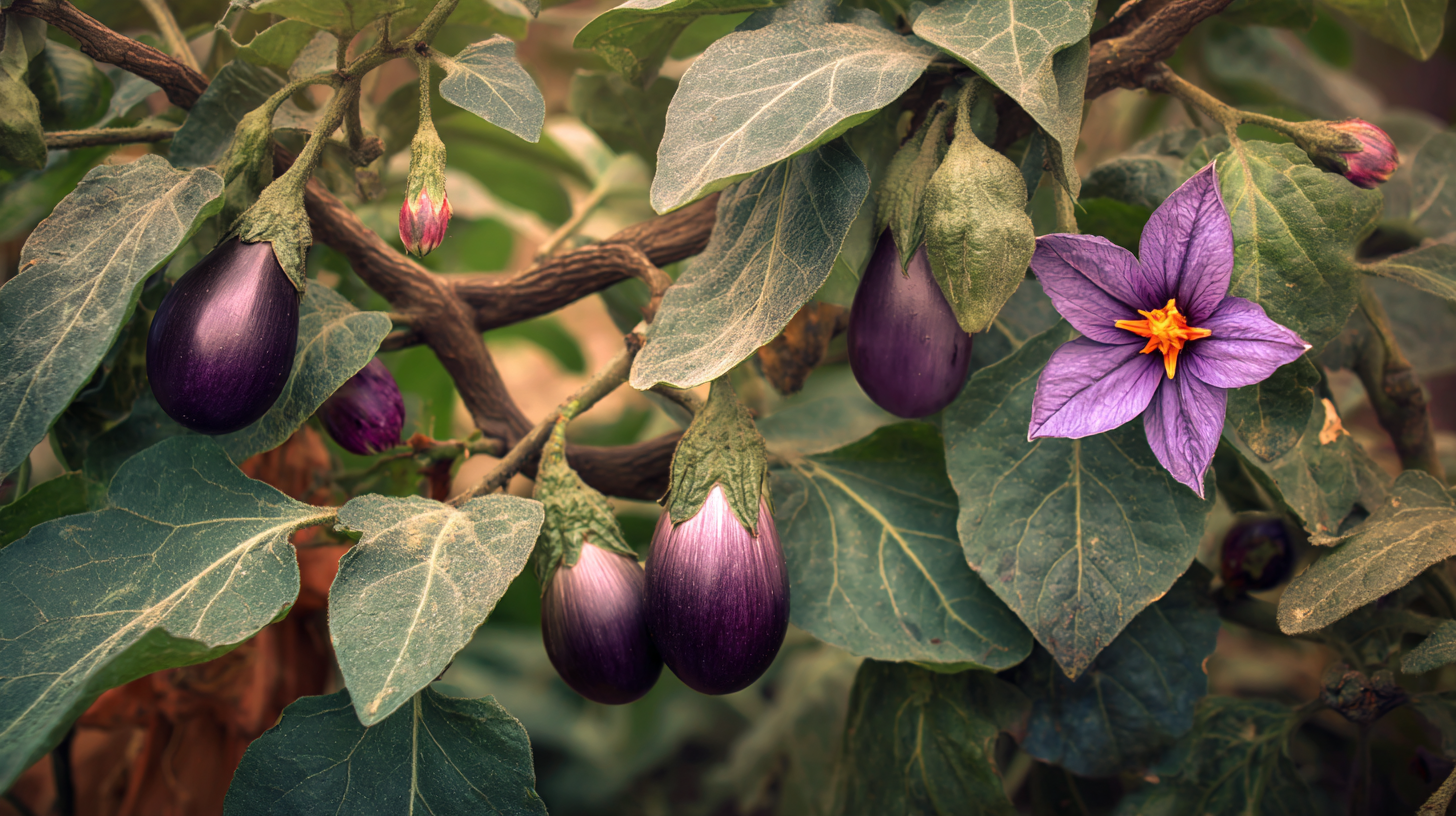
Eggplant (Solanum melongena)
If you struggle with inflammation, high cholesterol, or the daily toll of oxidative stress on your body and brain, you are far from alone — and the Creator may have already placed a powerful ally right in your kitchen. Eggplant, that deep-purple fruit most of us walk past in the produce aisle, contains a compound called nasunin that research suggests may protect brain cell membranes from free radical damage with a potency that puts many supplements to shame.
This remarkable plant is one of many gifts embedded into creation for our benefit. For over four thousand years, people across India, China, Persia, and the Mediterranean have turned to eggplant not just for food but for wellness — long before any laboratory confirmed what those cultures already knew. Like every good gift, it points back to a Designer who provided for every human need before we knew we had it.
The Plant
Common Names: Eggplant, Aubergine, Brinjal, Guinea Squash, Garden Egg, Melongene, Berenjena
Botanical Name: Solanum melongena L.
Family: Solanaceae (the nightshade family — the same family as tomatoes, peppers, and potatoes)
Description
Eggplant is a warm-season, non-woody annual plant (though technically a short-lived perennial in tropical climates) that typically grows two to four feet tall, sometimes reaching five feet under ideal conditions. The plant has a sturdy, slightly woody stem that branches outward, giving it a bushy, spreading habit. Its large, lobed leaves are grayish-green with a soft, felt-like texture on the underside, and some varieties sport small, sharp spines along the leaf veins and stems.
The flowers are striking — star-shaped, five-petaled blooms in shades of lavender to deep purple, sometimes white, with prominent yellow stamens at the center. They are self-pollinating but benefit greatly from pollinator visits. The fruit — botanically a berry — is the prize. The classic globe eggplant has glossy, deep purple-black skin, firm white to cream-colored flesh studded with small, soft seeds, and a spongy texture that absorbs flavor beautifully when cooked. Varieties range from the elongated Japanese and Chinese types to round Thai eggplants, white “Easter egg” cultivars, striped Graffiti types, and miniature Indian varieties.
Origin
Eggplant’s wild ancestors grew in the tropical regions of South and Southeast Asia, with its primary center of domestication traced to India — specifically the arid region of Rajasthan. Genetic studies confirm it was domesticated independently in both India and China, with written records of cultivation dating back over two thousand years in both regions. The earliest known Chinese literary reference appears in Wang Bao’s Tong Yue in 59 BC. In India, early Sanskrit texts including references in Ayurvedic literature document its use for both food and wellness.
Brief History
From India, eggplant traveled two great routes. Eastward, it spread through China (where it was well established by the Tang Dynasty, 618–907 AD), Japan, and Southeast Asia. Westward, Arab traders carried it through Persia and into the Middle East by the 7th and 8th centuries. The Moors brought it to Spain and North Africa, and Romani people carried its seeds across Europe during their centuries-long migration from India to Andalusia.
Medieval Europeans greeted eggplant with deep suspicion. As a member of the nightshade family alongside the genuinely deadly belladonna, it earned the unfortunate nickname “mad apple” (mala insana in Latin). Early European varieties were often bitter and sometimes consumed unripe, occasionally producing mild gastrointestinal symptoms that reinforced fears of poisoning or insanity. It took several centuries and the influence of Mediterranean, Middle Eastern, and Asian cuisines before eggplant found full acceptance on European tables. Thomas Jefferson is credited with introducing it to North American gardens in the late 1700s.
Growing & Cultivation
Climate & Zones
Eggplant thrives in USDA hardiness zones 5 through 11, though it performs best in zones 7 through 9, where long, warm summers and warm nighttime temperatures accelerate fruit set. It is a heat-loving crop — more cold-sensitive than its cousins the tomato and pepper. Soil temperatures must reach at least 60°F before transplanting, and daytime temperatures of 80–90°F with nighttime lows no lower than 60–65°F produce the best yields. In cooler zones (5–6), black plastic mulch, row covers, and south-facing microclimates can extend the season enough for a successful harvest.
Soil Requirements
Eggplant prefers well-draining, fertile sandy loam or loam soil rich in organic matter, with a slightly acidic to neutral pH of 5.8 to 6.5. Heavy clay soils that stay saturated after rain predispose plants to Verticillium wilt, a persistent soilborne disease. Amend beds with one to two inches of well-rotted compost or manure before planting. For container growing, use a premium potting mix in dark-colored pots (five gallons or larger) that absorb solar heat.
Water & Sunlight
Full sun is non-negotiable — eggplant requires a minimum of six to eight hours of direct sunlight daily. Fewer hours delays fruit set and reduces total yield. Water deeply and consistently, keeping soil evenly moist but never soggy. Deep watering once or twice per week is typically sufficient. Avoid wetting the foliage to reduce fungal disease risk. Eggplant tolerates moderate drought better than wet feet.
Propagation
Seed: Start seeds indoors six to eight weeks before the last expected frost date. Seeds germinate best at temperatures between 70°F and 90°F, typically emerging in seven to fourteen days. Use seed-starting mix in flats or peat pots. Provide bottom heat with a seedling mat for faster, more uniform germination.
Transplants: Most gardeners purchase six- to eight-week-old transplants or start their own indoors. Transplant outdoors only after all danger of frost has passed and soil temperature is consistently above 60°F. Set plants 18 to 24 inches apart in rows spaced three to four feet apart. Bury the stem up to the first set of true leaves, as eggplant can develop adventitious roots along buried stem tissue.
Planting
Raised beds are ideal because they warm faster in spring. Mix a balanced fertilizer (5-10-5 or 10-10-10) into the planting area about a week before transplanting. Once flowering begins, switch to a fertilizer higher in phosphorus and potassium to support fruit development. Side-dress with nitrogen fertilizer at four and eight weeks after planting.
Companion planting: Eggplant grows well alongside peppers, basil, spinach, beans, and marigolds. Basil may help repel aphids and spider mites. Avoid planting near fennel or kohlrabi.
Harvesting
Harvest eggplant when fruits are full-sized, firm, plump, and glossy with smooth, taut skin. Press a finger gently into the skin — if it springs back, the fruit is ready. If the indentation remains, the fruit is overripe and seeds will be large and bitter. Use a sharp knife or pruning shears to cut the stem; do not twist or pull, as this damages the plant. Wear gloves, as many varieties have small prickly thorns on stems and calyxes. Most varieties reach maturity 65 to 85 days after transplanting.
Drying & Storage
Fresh eggplant stores best unwashed in the refrigerator crisper for up to one week. It is cold-sensitive; temperatures below 50°F can cause surface pitting and browning. For longer storage, slice and blanch briefly, then freeze on sheet pans before transferring to freezer bags. Eggplant can also be roasted and pureed before freezing, or dehydrated into chips at 135°F for six to eight hours.
Pest & Disease Management
The Colorado potato beetle is eggplant’s most persistent nemesis — handpick adults and larvae, and use row covers early in the season. Flea beetles create characteristic small holes in leaves; apply diatomaceous earth or kaolin clay as organic deterrents. Aphids and spider mites can be managed with strong water sprays and neem oil. Verticillium and Fusarium wilt are the primary disease threats — practice crop rotation (avoid planting nightshades in the same bed for three to four years), select resistant varieties when available, and ensure good drainage.
Companion Planting
Marigolds planted nearby deter nematodes and whiteflies. Nasturtiums serve as trap crops for aphids. Beans fix nitrogen in the soil, benefiting heavy-feeding eggplant. Avoid planting near other nightshades to reduce shared disease pressure.
The Healing of Growing
Growing eggplant offers benefits that begin long before the harvest. The act of gardening — hands in warm soil, time spent outdoors under open sky, the rhythmic labor of weeding and watering — has been shown to reduce cortisol levels, improve mood, and support immune function. The soil itself contains beneficial bacteria, including Mycobacterium vaccae, which research has linked to documented antidepressant effects through serotonin pathway activation. When you grow your own eggplant, you receive healing before you ever cook a single fruit.
Nutritional Profile
Macronutrients
Per 100 grams of raw eggplant (USDA FoodData Central): Calories: 25 kcal. Protein: 1.0 g. Carbohydrates: 5.9 g. Dietary fiber: 3.0 g. Sugars: 3.5 g. Fat: 0.2 g (virtually fat-free). Water: 92%. Eggplant is remarkably low in calories while providing meaningful fiber, making it an excellent choice for those managing weight or blood sugar.
Vitamins
Folate (B9): 22 mcg (6% DV) — Essential for DNA synthesis and repair, critical during pregnancy for preventing neural tube defects, and necessary for proper red blood cell formation.
Vitamin B6 (Pyridoxine): 0.084 mg (5% DV) — A key cofactor in over 100 enzymatic reactions, supporting neurotransmitter synthesis (including serotonin, dopamine, and GABA), amino acid metabolism, and immune function.
Vitamin C: 2.2 mg (2% DV) — Supports immune function, collagen production, and acts as an antioxidant. While not a high-vitamin-C food, eggplant contributes to overall daily intake.
Vitamin K: 3.5 mcg (3% DV) — Necessary for proper blood clotting and bone metabolism.
Niacin (B3): 0.649 mg (4% DV) — Supports energy metabolism, DNA repair, and nervous system function.
Minerals
Potassium: 229 mg (5% DV) — A critical intracellular electrolyte that helps counter the hypertensive effects of sodium, supports proper muscle contraction, and maintains fluid balance.
Manganese: 0.232 mg (10% DV) — Serves as a cofactor for the antioxidant enzyme superoxide dismutase (SOD), supports bone formation, and plays a role in carbohydrate and fat metabolism.
Copper: 0.082 mg (9% DV) — Essential for iron metabolism, connective tissue formation, and the functioning of the immune and nervous systems.
Magnesium: 14 mg (3% DV) — Involved in over 300 enzymatic reactions, supporting muscle and nerve function, blood sugar regulation, and bone health.
Phosphorus: 24 mg (2% DV) — Works with calcium for bone and tooth formation and plays a role in energy production.
Phytonutrients & Active Compounds
This is where eggplant truly distinguishes itself. While its vitamin and mineral profile is modest, its phytonutrient content is exceptional.
Nasunin (delphinidin-3-coumaroylrutinoside-5-glucoside) — The star compound. This anthocyanin, concentrated in the purple skin, is a potent antioxidant and iron chelator. Research demonstrates that nasunin scavenges superoxide anion radicals and protects brain cell membrane lipids from peroxidation. It chelates excess iron, which is significant because free iron generates damaging hydroxyl radicals.
Chlorogenic acid — The dominant phenolic acid in eggplant flesh. This compound has been studied extensively for its antioxidant, anti-inflammatory, anti-carcinogenic, anti-diabetic, and cardioprotective properties. It is the same compound that gives coffee many of its health benefits.
Delphinidin-3-rutinoside (D3R) — Another key anthocyanin in the peel, contributing to antioxidant capacity.
Solasodine and related glycoalkaloids — Steroidal alkaloids present in small amounts in the fruit, with emerging research exploring their potential anticancer properties at the cellular level.
Eggplant also contains approximately 93 mg of total polyphenols per 100 grams, including caffeic acid, p-coumaric acid, quercetin, and myricetin in smaller quantities.
Nutrient Notes
The phytonutrient content is highest in the skin — always eat the peel when possible. Cooking method matters: grilling and roasting may actually increase the availability of some polyphenolic compounds, including nasunin. Chlorogenic acid content increases with moderate heat but decreases at very high temperatures (above 250°C/480°F). The B-vitamins in eggplant, particularly B6, support serotonin production. The potassium and magnesium content may help regulate cortisol and support cardiovascular function. Pairing eggplant with a healthy fat (olive oil, for example) enhances the absorption of fat-soluble phytonutrients.
Culinary Uses
Edible Parts
The fruit (technically a berry) is the primary edible portion, including flesh, skin, and seeds. Young, tender leaves are consumed in some Asian cuisines after thorough cooking, though the leaves contain higher levels of solanine and should not be eaten raw. The flowers are edible and occasionally used as a garnish.
Flavor Profile
Raw eggplant has a mild, slightly bitter, and somewhat grassy flavor with a spongy, absorbent texture. When cooked, it transforms dramatically — becoming creamy, silky, and rich with an earthy, subtly sweet taste. Roasting and grilling produce a smoky depth. The flesh acts like a sponge, absorbing oils, sauces, and spices with remarkable efficiency, making eggplant a canvas for bold flavors. Dried eggplant concentrates the earthy notes and develops a chewier texture.
Preparation
Salting sliced eggplant and letting it rest for 20 to 30 minutes before cooking draws out moisture and any residual bitterness, though modern varieties are far less bitter than their ancestors. Rinse and pat dry before cooking. Eggplant excels when roasted (whole on a gas flame for baba ghanoush, or cubed at 400°F), grilled (sliced into rounds or planks), sautéed, stir-fried, deep-fried (classic for eggplant parmesan), steamed, or braised. It can also be pickled, stuffed and baked, or pureed into dips and spreads.
Culinary Pairings
Eggplant pairs beautifully with garlic, tomatoes, onions, olive oil, sesame (tahini), miso, soy sauce, lemon, yogurt, feta and parmesan cheeses, lamb, chickpeas, cumin, coriander, smoked paprika, basil, mint, and chili. It is a foundation ingredient in global dishes: baba ghanoush (Middle Eastern), moussaka (Greek), eggplant parmesan (Italian), ratatouille (French), imam bayildi (Turkish), yuxiang qiezi (Chinese), nasu dengaku (Japanese), baingan bharta (Indian), and countless more.
Storage
Store unwashed eggplant in the refrigerator crisper for up to one week. Do not store below 50°F, as cold damage causes pitting and flesh browning. For freezing, slice, blanch for four minutes, cool in ice water, and freeze flat on sheet pans before bagging. Roasted and pureed eggplant freezes exceptionally well for up to six months. Eggplant can be dried in thin slices using a dehydrator at 135°F.
Ready to cook with eggplant? View Recipes on Chefts →
Wellness & Therapeutic Uses
Traditional Uses
Eggplant has served wellness purposes across multiple civilizations for millennia. In Ayurvedic medicine, white eggplant varieties were traditionally used to support blood sugar balance, and the roots were employed for respiratory wellness. Ayurvedic practitioners classified eggplant as having cooling properties and recommended it for balancing pitta dosha.
In Traditional Chinese Medicine (TCM), eggplant has been documented since at least the 1st century BC, used to support circulation, reduce swelling, and promote digestive comfort. Chinese practitioners also used eggplant calyx (the green cap) as a topical preparation for skin concerns.
In African traditional medicine, various Solanum species including eggplant have been used for generations to support cardiovascular health, digestive wellness, and as a general tonic. In parts of Nigeria and West Africa, eggplant preparations are used traditionally for inflammatory concerns and fever reduction.
European folk medicine adopted eggplant later but documented its use for digestive comfort and as a diuretic. In the Caribbean and Latin America, eggplant water (raw eggplant soaked overnight) has been traditionally consumed for cholesterol support.
Modern Research
Antioxidant capacity: Eggplant ranks among the top ten vegetables for oxygen radical absorbance capacity (ORAC). The nasunin in eggplant peel has been demonstrated to scavenge superoxide anion radicals and chelate iron, protecting cell membranes — particularly brain cell membranes — from lipid peroxidation. (Noda et al., 1998, Japan — PubMed)
Cardiovascular support: Studies suggest eggplant compounds may support healthy cholesterol levels. Nasunin has been associated with increased HDL cholesterol. An animal study demonstrated that both raw and grilled eggplant possess cardioprotective properties, with the ability to support left ventricular function and reduce myocardial damage markers. (Das et al., 2011, Italy/India — Food & Function)
Blood sugar balance: Chlorogenic acid, the dominant phenolic in eggplant flesh, has been studied for its ability to inhibit alpha-glucosidase, an enzyme involved in carbohydrate digestion. This suggests potential support for post-meal blood sugar management. Additionally, polyphenol-rich eggplant extracts have shown significant alpha-glucosidase inhibitory capacity in vitro. (Valorization study, 2025, Portugal — ScienceDirect)
Neuroprotective properties: Eggplant extract, rich in phenolics and flavonoids, has demonstrated neuroprotective and neurorescue effects in animal models of neurodegenerative conditions. The extract showed significant free radical scavenging activity and corrected behavioral markers in Parkinsonian rat models. (Neuroprotective study, India — Biomedical Research)
Anti-inflammatory activity: Chlorogenic acid and nasunin both demonstrate anti-inflammatory properties in research settings. These compounds may help modulate inflammatory markers including cytokines and prostaglandins.
Antimicrobial properties: Eggplant peel extract has shown antioxidant properties and anti-herpes simplex virus type 1 activity in vitro studies. (Di Sotto et al., 2018, Italy — PMC)
Anti-obesity support: Chlorogenic acid has been studied for its potential anti-obesity effects, with one study showing improvements in lipid metabolism in high-fat-diet animal models. (Cho et al., 2010, South Korea)
Body Systems Supported
Cardiovascular system — Through cholesterol support, antioxidant protection, and blood pressure modulation via potassium content. Nervous system — Through nasunin’s protection of neuronal cell membranes and chlorogenic acid’s neuroprotective properties. Digestive system — Through dietary fiber supporting gut motility and microbiome health. Immune system — Through antioxidant compounds supporting immune cell integrity. Integumentary system — Through topical glycoalkaloid applications traditionally used for skin concerns.
Body Compounds Affected
Research suggests eggplant compounds may influence several body compounds. The B6 content supports serotonin and dopamine synthesis as a necessary cofactor. Chlorogenic acid may help modulate insulin response and inflammatory cytokines including IL-6 and TNF-alpha. The potassium content supports healthy cortisol balance indirectly through cardiovascular and adrenal support. Nasunin’s iron-chelating activity may protect nitric oxide signaling pathways from oxidative disruption.
Methods of Use
Dietary Consumption
The primary and most effective method — eat eggplant regularly as part of a varied diet. Include the skin for maximum phytonutrient benefit. Two to three servings per week provides meaningful antioxidant support.
Eggplant Water
A traditional preparation: cube one medium eggplant, soak in one liter of water overnight in the refrigerator, strain, and drink throughout the following day. Traditionally used for cholesterol support in Caribbean and Latin American folk medicine.
Topical Application
Eggplant calyx (the green cap) has been used traditionally in Chinese and folk medicine as a topical preparation for warts and certain skin lesions. Modern research is exploring the glycoalkaloids solasodine and solamargine for their potential effects on skin cell concerns.
Cosmetic & Beauty Uses
Skin Benefits
Nasunin and chlorogenic acid make eggplant extract a compelling ingredient for skin care. Nasunin’s potent antioxidant activity helps protect skin cells from oxidative stress caused by UV exposure and environmental pollutants. Chlorogenic acid has been studied for its anti-aging properties, helping to support skin elasticity and reduce the appearance of fine lines. The anthocyanins in eggplant peel provide anti-inflammatory benefits that may soothe irritated or sensitive skin.
Eggplant extract may benefit oily, combination, and acne-prone skin types due to its anti-inflammatory and antimicrobial properties. For mature skin, the antioxidant content supports protection against premature aging. Those with hyperpigmentation concerns may benefit from the brightening effects of vitamin C and anthocyanin compounds.
Hair Benefits
Eggplant’s mineral content — particularly manganese, copper, and iron — supports scalp health and hair follicle nourishment when consumed regularly. Topically, eggplant juice has been used in traditional preparations as a hair rinse to add shine and support scalp wellness.
Application Methods
DIY face mask: Blend raw eggplant flesh with a tablespoon of plain yogurt and a teaspoon of honey. Apply to clean skin for 15 to 20 minutes, then rinse. The anthocyanins and polyphenols provide antioxidant support while yogurt gently exfoliates and honey moisturizes.
Infused oil: Dice eggplant and macerate in a carrier oil (jojoba or sweet almond) in a warm, dark location for two to three weeks, shaking daily. Strain and use as a facial or body oil. The oil-soluble compounds will extract into the carrier.
Toner: Steep eggplant peel in hot distilled water, cool, strain, and apply with a cotton pad as an antioxidant toner. Refrigerate and use within one week.
DIY Formulation Notes
Eggplant extract pairs well with jojoba, rosehip, and argan carrier oils. It can be combined with other antioxidant-rich botanicals like green tea and vitamin E. Avoid combining with strong acids (AHA/BHA) in the same application, as this may degrade the anthocyanins. Homemade eggplant preparations have a short shelf life — use within one week when refrigerated, or add a natural preservative for longer storage.
Eggplant is among the botanicals being explored for holistic cosmetic applications, where the wisdom of traditional beauty practices meets modern understanding of skin science.
Essential Oil Profile
Eggplant does not yield a commercially available essential oil. The plant’s volatile compound profile is relatively mild compared to aromatic herbs, and steam distillation of eggplant does not produce a viable essential oil product. However, eggplant extracts — produced through solvent extraction, CO2 extraction, or cold-pressing of the peel — are available and used primarily in the cosmetic and nutraceutical industries for their nasunin and chlorogenic acid content.
Aromatherapy & Scent
The Aroma
The living eggplant plant has a subtle, green, earthy aroma — not strongly fragrant like culinary herbs. When the leaves or stems are brushed or bruised, they release a mild, slightly acrid, “nightshade” scent characteristic of the Solanaceae family. The fruit itself, when cut open, has a fresh, green, mildly vegetal smell with faint earthy undertones. The dried fruit retains very little aroma. This is not a plant used primarily for its scent, but the living plant in a garden contributes to the overall aromatic environment of green, growing things.
How Scent Affects Your Body
All plant aromas enter the body through volatile molecules released into the air. When inhaled, these molecules contact olfactory receptors in the nose, which send signals directly to the limbic system (the emotional brain) and hypothalamus (hormone control center). This pathway bypasses conscious thought, meaning your body responds to plant scents before your mind decides how to react. While eggplant is not an aromatherapy plant in the traditional sense, being in a garden surrounded by living plants — including eggplant — provides the calming, grounding aromatic experience that research has linked to reduced cortisol and improved mood.
Emotional & Mood Effects
The scent of the living eggplant plant and its garden environment is primarily grounding and centering — the subtle smell of green leaves, warm soil, and growing things. These sensory inputs activate the parasympathetic nervous system, promoting calm and present-moment awareness.
Ways to Experience the Scent
Growing eggplant in your garden or in containers on a sunny patio is the primary way to experience its aromatic presence. The act of tending the plant — touching leaves, harvesting fruit, working the soil around it — releases mild volatile compounds that contribute to the overall therapeutic benefit of time spent gardening.
Color Therapy
The Colors of Eggplant
The classic eggplant is defined by its deep purple to purple-black skin — one of the deepest, most saturated purples found in the produce world. The flesh is white to cream with pale green tones. Flowers are lavender to deep violet with bright yellow centers. Varieties extend the color palette: white, pale green, bright green, striped purple-and-white, rose, orange, and even red-skinned cultivars exist.
Color Wavelengths
The dominant purple-violet color of classic eggplant falls in the 380–450 nm wavelength range — the shortest wavelengths of visible light, at the boundary between visible and ultraviolet. This is the color of the highest frequency visible light.
How Purple/Violet Affects the Body
In color therapy traditions, violet and purple wavelengths are associated with calming the nervous system, supporting meditative and contemplative states, and promoting a sense of spiritual connection. Exposure to violet-spectrum light has been studied for its effects on the pineal gland and melatonin regulation. The deep purple of eggplant in a kitchen, on a plate, or growing in a garden introduces this calming wavelength into your visual environment.
Body Compounds Affected
Exposure to violet-spectrum light may influence melatonin production and serotonin balance through the visual-pineal pathway. The calming properties of this color wavelength may support parasympathetic nervous system activation, indirectly helping to regulate cortisol.
Using Eggplant for Color Therapy
Display whole eggplants in your kitchen as a visual element. Grow purple-skinned varieties in garden beds or containers where you will see them daily. Include eggplant on your plate — “eating the rainbow” means incorporating the full spectrum of plant colors, and eggplant contributes the rare and valuable deep violet end. Cut eggplant flowers (lavender with yellow centers) as a short-lived but beautiful arrangement bringing both purple and yellow wavelengths indoors.
Frequency & Vibration
The Frequency of Eggplant
Specific MHz frequency measurements for eggplant have not been widely documented in the published literature. According to bio-frequency research, fresh vegetables generally vibrate at frequencies ranging from 20 to 27 MHz, placing them in the lower-to-mid range among foods. For reference, a healthy human body is thought to vibrate at 62–78 MHz, fresh herbs may range from 20–27 MHz, and essential oils range from 52 to 320 MHz. Eggplant, as a fresh whole food, likely falls within the general vegetable frequency range.
Human Frequency Interaction
According to the entrainment principle, exposure to higher-frequency inputs may support human body frequency. While fresh vegetables like eggplant are not the highest-frequency foods, consuming them as part of a whole-food diet supports the body’s overall energetic state. Proponents of vibrational medicine suggest that eating fresh, unprocessed plant foods grown in healthy soil contributes to maintaining optimal human frequency, compared to heavily processed foods whose frequency measurements tend to be much lower.
Vibrational Applications
Consume eggplant fresh and minimally processed to preserve its natural vibrational state. Growing your own eggplant in healthy, living soil may enhance the plant’s energetic qualities compared to commercially grown produce. Combine eggplant consumption with other high-frequency practices such as time in nature, prayer, meditation, and exposure to uplifting music.
Note: Frequency measurements of foods and their direct health effects represent an area where research is still emerging. These concepts are presented as part of a holistic perspective rather than established clinical science.
The Living Plant
Benefits of Presence
Simply having an eggplant plant growing in your home garden, patio, or greenhouse provides benefits beyond the eventual harvest. Living plants offer visual calming effects, connect us to natural rhythms, and satisfy the biophilic need — the innate human attraction to living things. Research consistently shows that exposure to green, growing environments reduces stress, improves attention, and supports emotional well-being.
Air Purification
Eggplant is not among the plants studied in the NASA Clean Air Study, and it is not typically classified as a notable indoor air purifier. However, like all green plants, it contributes to oxygen production through photosynthesis and helps regulate humidity in its immediate environment. Its broad leaves provide moderate transpiration, adding moisture to dry indoor air.
Phytoncides
As a member of the Solanaceae family, eggplant produces various volatile organic compounds including mild phytoncides — antimicrobial substances released by plants as part of their natural defense system. While eggplant is not a major phytoncide producer like coniferous trees, these compounds contribute to the overall air quality in a garden setting. Forest bathing (shinrin-yoku) research has demonstrated that plant-released phytoncides increase natural killer (NK) cell activity in the human immune system.
Visual & Psychological Benefits
Eggplant is a particularly attractive plant to grow. The purple flowers, dramatic deep-purple fruit, and lush green foliage create visual interest and beauty in any garden space. Research from healthcare settings shows that patients with views of plants and green spaces heal faster and require less pain medication. The attention restoration theory (Kaplan, 1995) demonstrates that natural settings — including home gardens — replenish mental fatigue and improve cognitive function.
Growing Indoors vs Outdoors
Eggplant is primarily an outdoor plant requiring full sun and warm temperatures. It can be grown indoors under strong grow lights (at least 14–16 hours of light daily), but fruit production will be limited compared to outdoor growing. Compact varieties like ‘Fairy Tale,’ ‘Patio Baby,’ or ‘Hansel’ are best suited for container growing on sunny balconies, patios, or in greenhouse settings. Even without fruit production, the plant provides visual beauty and the therapeutic benefits of daily plant care.
Touch & Physical Interaction
Gardening Therapy
Working with eggplant plants provides a rich tactile and sensory experience. Horticultural therapy — the practice of using gardening as a therapeutic modality — is well-established in rehabilitation, mental health, and elder care settings. Tending eggplant through its entire lifecycle, from seed starting to harvest, offers a structured, purposeful activity that builds confidence, provides mild physical exercise, and creates a meditative rhythm.
Soil Contact Benefits
Gardening barefoot or with bare hands provides grounding (earthing) benefits through direct electron transfer from the earth. Research suggests this contact may reduce inflammation, improve sleep, and normalize cortisol rhythms. The soil itself contains Mycobacterium vaccae, a beneficial bacterium that research has shown activates serotonin-producing neurons in the brain, producing antidepressant-like effects in animal studies. Every time you plunge your hands into the soil around your eggplant plants, you expose yourself to this natural mood support.
The Tactile Experience
Eggplant offers a distinctive range of textures. The leaves are large, broad, and softly fuzzy on the undersides — almost velvety — with smoother, slightly waxy upper surfaces. The stems are firm and slightly prickly on some varieties, requiring gardening gloves. The fruit itself has one of the most satisfying textures in the garden: smooth, taut, glossy skin with a cool, firm feel. Pressing your thumb gently into a ripe eggplant to test readiness — and feeling the skin spring back — is a satisfying, present-moment sensory experience. Harvesting requires a deliberate cut with shears, adding an element of intention and care.
Harvesting & Processing
The repetitive motions of eggplant harvest and preparation — cutting fruit from plants, slicing on a cutting board, salting and resting slices, arranging on baking sheets — provide the kind of rhythmic, purposeful activity that naturally induces a meditative state. The transformation of raw eggplant through cooking (from firm and spongy to silky and creamy) is a deeply satisfying sensory process that connects the gardener-cook to the full cycle of provision.
Water-Based Applications
Eggplant Water (Traditional Infusion)
The most well-known water-based preparation is eggplant water, used widely in Caribbean, Latin American, and African folk traditions for cholesterol support. Cut one medium eggplant into cubes, place in one liter of water, and soak overnight in the refrigerator. Strain and drink throughout the following day. Some traditions add the juice of one lemon. This is a cold infusion — no heat is applied.
Herbal Baths
While eggplant is not a traditional bath herb, the peel — rich in nasunin and anthocyanins — can be added to bathwater for a mild antioxidant soak. Simmer the peels of two to three eggplants in a quart of water for 20 minutes, strain, and add the purple-tinted liquid to a warm bath. The anthocyanins may provide mild antioxidant contact with skin, and the ritual of preparation contributes to the therapeutic experience.
Compresses
In folk medicine, warm eggplant poultices have been applied to areas of localized discomfort. Roast or steam eggplant flesh until soft, wrap in clean cloth, and apply warm (not hot) to the affected area for 15 to 20 minutes. The warmth combined with the plant’s phytonutrients provides gentle topical comfort.
Hair Rinses
Eggplant peel tea (simmered for 15 minutes, cooled, and strained) can be used as a hair rinse. The anthocyanins may temporarily enhance dark tones in brunette hair while the minerals in the rinse support scalp wellness. Pour through clean hair as a final rinse after shampooing and conditioning. No need to rinse out.
Historical, Cultural & Biblical Significance
Biblical References
Eggplant is not directly mentioned in Scripture. However, plants of the Solanaceae family were known in the ancient Near East, and the broader principle of God providing plants for food and wellness is established throughout the Bible. Genesis 1:29 (KJV) declares: “And God said, Behold, I have given you every herb bearing seed, which is upon the face of all the earth, and every tree, in the which is the fruit of a tree yielding seed; to you it shall be for meat.” While eggplant is not named specifically, it falls within the scope of God’s provision of seed-bearing plants for human benefit.
Ancient Civilizations
The earliest written references to eggplant appear in Chinese literature, with Wang Bao documenting its cultivation in 59 BC. In India, Ayurvedic texts described its medicinal applications, including digestive support and blood sugar balance. The plant was well-established in both civilizations long before written records — archaeological and genetic evidence suggests domestication occurred over four thousand years ago. While the Greeks and Romans were aware of eggplant, they did not widely adopt it until centuries later.
Eastern Traditions
In Traditional Chinese Medicine, eggplant was first documented for its cooling properties, believed to clear heat and move blood. The calyx was used topically for skin concerns and internally for sore throat. In Ayurveda, eggplant was considered to balance pitta dosha in moderation. White varieties were specifically used for blood sugar support, and root decoctions were employed for respiratory wellness. These observations align with what modern research confirms about eggplant’s anti-inflammatory and metabolic support properties — these cultures saw the design even when they did not know the Designer by name.
Indigenous Knowledge
In West Africa, where African eggplant species (Solanum aethiopicum) are native, the plant has been used traditionally for inflammatory concerns, fever reduction, and as a general tonic. Nigerian and Ghanaian traditional healers have documented its use for cardiovascular support. In Southeast Asia, the birthplace of eggplant domestication, numerous indigenous communities cultivated distinct varieties for both food and wellness, developing localized preparations passed down through oral tradition.
European Heritage
Medieval Europe’s relationship with eggplant was complicated. The “mad apple” reputation persisted for centuries due to the plant’s family association with belladonna. It took the culinary influence of Arab culture in Spain (al-badinjan becoming “berenjena”) and the Mediterranean food traditions of Italy, Greece, and Turkey to rehabilitate eggplant’s reputation. By the Renaissance, it was finding acceptance — and even a reputation as an aphrodisiac. Renaissance herbalists including John Gerard described it with lingering suspicion, while Italian, Turkish, and Greek cooks were making it a staple. Monastery gardens preserved many food crops through the medieval period, though eggplant was adopted later than most European vegetables.
Cultural Symbolism
In Japan, the first dream of the New Year featuring Mount Fuji, a hawk, and an eggplant (ichifuji, nitaka, sannasubi) is considered the most auspicious omen possible. In Turkey, eggplant is so beloved that over forty traditional dishes feature it — the dish imam bayildi (“the imam fainted”) is named for a cleric who supposedly swooned at the deliciousness of stuffed eggplant. In Indian culture, eggplant (brinjal/baingan) is a daily staple that represents nourishment and home cooking. The English name “eggplant” comes from 18th-century European varieties that were small, white, and egg-shaped — looking exactly like hen’s eggs hanging from a bush.
Safety & Precautions
Contraindications
Individuals with known nightshade sensitivity or allergy should avoid eggplant. Those with a history of kidney stones (particularly calcium oxalate stones) should consume eggplant in moderation, as it contains oxalates. Some individuals with autoimmune conditions or inflammatory arthritis report that nightshade vegetables, including eggplant, may exacerbate symptoms — this is highly individual and not universal.
Drug Interactions
Eggplant is generally considered safe as a food and does not have widely documented dangerous drug interactions at normal dietary levels. However, because eggplant contains small amounts of solanine (a glycoalkaloid), individuals taking medications that affect acetylcholinesterase (such as certain Alzheimer’s medications or myasthenia gravis drugs) should consult their healthcare provider. Eggplant’s potassium content should be considered by those on potassium-sparing diuretics or ACE inhibitors. Those taking blood-thinning medications should be aware of eggplant’s modest vitamin K content, though the amount is unlikely to affect INR levels at normal dietary intake.
Pregnancy & Nursing
Cooked eggplant is generally considered safe during pregnancy and breastfeeding when consumed in normal dietary amounts. Solanine levels in ripe, commercially grown eggplant average 7–11 mg/kg, well below thresholds associated with adverse effects. Despite folk traditions in some cultures suggesting eggplant should be avoided during pregnancy, there is no scientific evidence supporting this concern at normal consumption levels. As with any food, moderation is wise, and any individual concerns should be discussed with a qualified healthcare provider.
Children
Cooked eggplant is appropriate for children over 6 months of age as an introduction to solid foods, though it is not typically a first food. Its mild flavor and soft texture when cooked make it well-suited for older infants and toddlers. Introduce in small amounts and watch for any allergic response, particularly in families with known nightshade sensitivities. The skin may be removed for younger children to reduce any slight bitterness and solanine exposure.
Elderly
Eggplant is well-suited for elderly diets — soft when cooked, low in calories, and easy to digest. The potassium content supports cardiovascular health, though those on potassium-restricted diets (due to kidney disease) should monitor intake. The antioxidant content is particularly valuable for older adults facing increased oxidative stress.
Pets
Dogs: Caution. The ASPCA lists Solanum melongena foliage as toxic to dogs due to solanine. The ripe fruit flesh in small, plain, cooked amounts is not considered highly toxic, but the leaves, stems, and unripe fruit should be kept away from dogs. Dogs with arthritis or autoimmune conditions may be more sensitive. When in doubt, avoid.
Cats: Toxic/Avoid. Cats are generally more sensitive to solanine than dogs. The ASPCA lists eggplant plant parts as toxic to cats. Avoid feeding eggplant to cats and keep garden plants out of reach.
Horses: Caution. The ASPCA lists Solanum species foliage as toxic to horses due to solanine content. Keep horses away from eggplant plants and garden waste.
If any pet ingests eggplant leaves, stems, or unripe fruit and shows symptoms (vomiting, diarrhea, lethargy, excessive drooling), contact your veterinarian or the ASPCA Animal Poison Control Center at (888) 426-4435 immediately.
Allergies & Sensitivities
Eggplant allergies are uncommon but do occur. Symptoms may include skin rashes, hives, wheezing, and in rare cases angioedema (deep tissue swelling). Cross-reactivity may occur in individuals allergic to other nightshades or latex (latex-fruit syndrome). Most allergens are concentrated in the peel — peeling eggplant before cooking may reduce allergic response in sensitive individuals. A patch test with raw eggplant juice on inner forearm skin is recommended before topical cosmetic application.
Dosing Guidelines
As a food, there is no strict therapeutic dosing — eggplant can be consumed regularly as part of a balanced diet. Two to four servings per week is a reasonable guideline for obtaining meaningful phytonutrient benefit. For eggplant water, one liter daily for short periods (two to three weeks) is the traditional approach. Signs of excessive solanine intake (extremely rare from ripe eggplant) include gastrointestinal distress, nausea, and headache.
Quality & Sourcing
Choose eggplants that are firm, heavy for their size, and have smooth, glossy, unblemished skin. Dull skin, soft spots, or heavy browning indicate over-ripeness and higher alkaloid content. Organic eggplant reduces pesticide exposure. Store properly and consume within a week of purchase. Green-tinged areas on purple varieties may have elevated solanine — trim these away.
Signs of Adverse Reaction
Mild reactions may include digestive discomfort, bloating, or skin irritation. More serious allergic reactions include difficulty breathing, facial swelling, or hives — seek medical attention immediately if these occur. Solanine poisoning (requiring consumption of truly enormous quantities of raw nightshades) presents with severe gastrointestinal symptoms, headache, fever, and in extreme cases neurological symptoms — seek emergency care.
Disclaimer
This information is for educational purposes only. It is not intended to diagnose, treat, cure, or prevent any disease. Always consult with a qualified healthcare provider before using any herbal product, especially if you are pregnant, nursing, taking medications, or have a medical condition. If you experience any adverse reaction, discontinue use immediately and seek medical attention.
Want Personalized Guidance?
Every body is unique. What works for one person may not be right for another. If you’d like personalized support in incorporating eggplant into your wellness journey, consider working with a qualified practitioner who can assess your individual needs.
Sources & References
Peer-Reviewed Studies
- Antioxidant Activity of Nasunin, an Anthocyanin in Eggplant — Res Commun Mol Pathol Pharmacol, 1998, Japan
- Cardioprotective Properties of Raw and Cooked Eggplant (Solanum melongena L) — Food & Function, 2011, Italy/India
- Monitoring of Chlorogenic Acid and Antioxidant Capacity of Solanum melongena L. under Different Heat and Storage Treatments — Molecules, 2019, Italy
- A Polyphenol Rich Extract from Solanum melongena L. DR2 Peel Exhibits Antioxidant Properties and Anti-Herpes Simplex Virus Type 1 Activity In Vitro — Molecules, 2018, Italy
- Characterization of Browning, Chlorogenic Acid Content, and Polyphenol Oxidase Activity in Different Varietal Types of Eggplant — Plants, 2024, Italy/Spain
- Neuroprotective and Neurorescue Effects of Eggplant Extract in 6-OHDA-Induced Parkinson’s Rat Model — Biomedical Research, India
- Valorization of Solanum melongena L. Crop By-Products: Phenolic Composition and In Vitro Bioactive Properties — Process Biochemistry, 2025, Portugal
- Nasunin, an Amazing Chemical Constituent in Eggplants: A Review of Its Major Properties and Health-Promoting Effects — ACS Food Science & Technology, 2024, Iran
- Nutritional Content and Health Benefits of Eggplant — Turkish Journal of Agriculture, 2020, Pakistan
- Comparative Transcriptome Analysis in Eggplant Reveals Selection Trends During Domestication — International Journal of Molecular Sciences, 2019, USA
Traditional Medicine & Historical Sources
- Comparing Medicinal Uses of Eggplant and Related Solanaceae in China, India, and the Philippines — ResearchGate, 2014
- The Travels of the Eggplant — Mother Earth Gardener, 2016
- Eggplant Origin and History — New York Botanical Garden
Institutional Sources
- How to Grow Eggplant in Your Garden — Utah State University Extension
- Cultural Tips for Growing Eggplant — UC Statewide IPM Program
- Planting and Growing Eggplant — The Old Farmer’s Almanac
- USDA FoodData Central — Eggplant, raw (NDB# 169228)
Pet Safety Sources
- ASPCA Animal Poison Control — Solanum melongena entry (foliage toxic to dogs, cats, and horses)
- Eggplant, Tomato, Bell Pepper, and Potato in Dogs and Cats — PetsVetCheck, 2026